
Choosing the Right Remote Patient Monitoring (RPM) Partner: Why It Matters

As healthcare organizations look to innovative strategies and programs to boost patient outcomes, lower hospital readmissions, and streamline operations, the demand for remote patient monitoring (RPM) solutions continues to grow. However, not all RPM partners are created equal. Choosing the right RPM partner can mean the difference between a seamless, scalable program and one riddled with inefficiencies, compliance risks, and extra charges. Here’s why working with the right RPM partner is beneficial and what you should consider when making your choice.
Compliance and Security: Protecting Patient Data
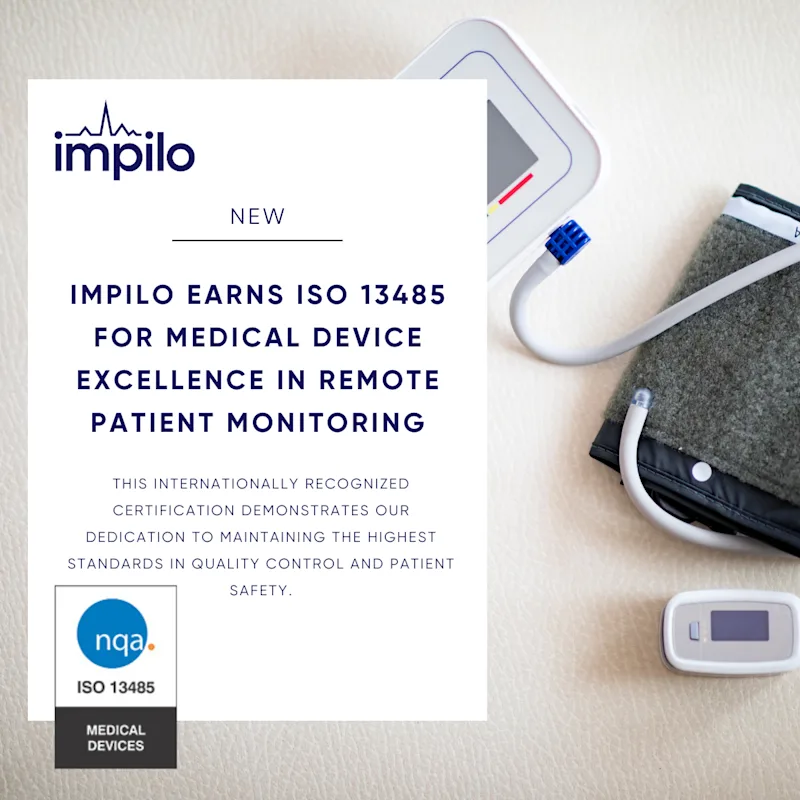
Remote Patient Monitoring (RPM) programs handle vast amounts of sensitive patient data, making security and compliance non-negotiable. A reliable RPM partner should have robust HIPAA-compliant systems in place, including end-to-end encryption, secure API integrations, and adherence to all regulatory guidelines. Before selecting a partner, verify their compliance certifications and data protection measures to safeguard both your organization and your patients.
Seamless EHR Integration: Reducing Administrative Burden
An RPM partner should offer a seamless API integration with your electronic health record (EHR). Poor integration can lead to inefficiencies, duplicate data entry, and clinician frustration. Ensure your RPM partner provides a streamlined data exchange process that enables easy access to patient insights within your existing workflows.
Scalability and Customization: Growing with Your Needs
As your organization expands, your RPM solution should scale accordingly. Whether you're a small practice, a large health system, or a digital health organization, your RPM partner should offer flexible solutions tailored to your needs. Look for a partner that provides customizable features, device compatibility, and adaptable workflows to support both present and future growth.
Logistics and Device Management: Ensuring a Hassle-Free Experience
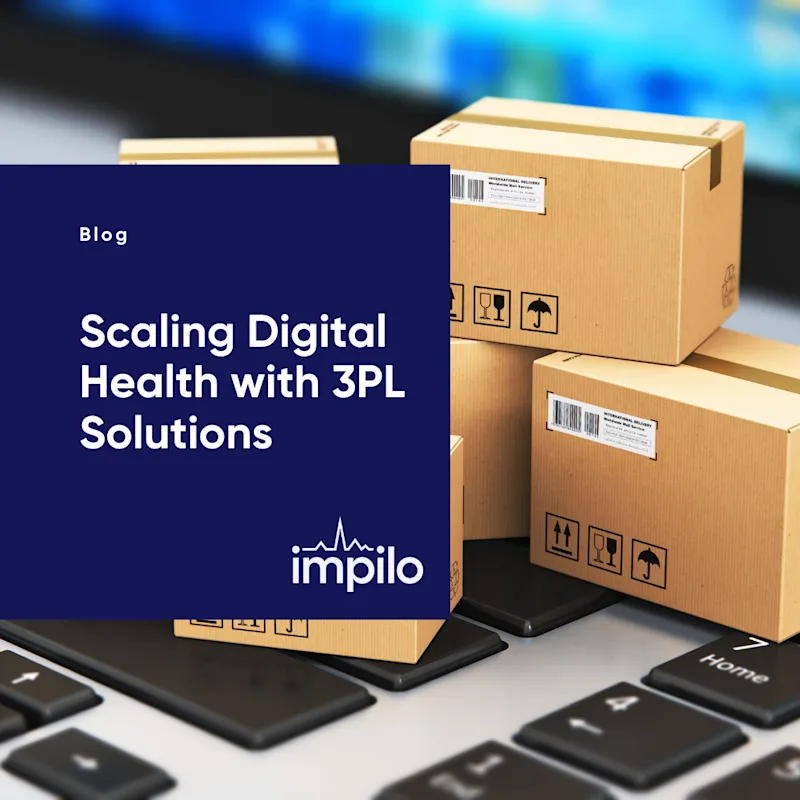
An often-overlooked factor in RPM's success is device logistics. From shipping to patient onboarding to device returns and refurbishment, your RPM partner should efficiently handle device procurement, distribution, and technical support. A partner with a well-managed logistics strategy ensures that patients receive devices quickly, understand how to use them, and stay engaged in their remote care program.
Patient Engagement: Driving Better Outcomes
The success of any RPM program requires engaging patients in their care. The right RPM partner should offer patient-friendly onboarding and continuous engagement strategies to help ensure adherence. Features like real-time alerts, automated reminders, and telehealth integrations can further enhance patient participation and outcomes.
Transparent Billing and Reimbursement: Maximizing Financial Viability
Managing RPM billing and reimbursement doesn't have to be complicated, especially when you keep clinical services in-house. By maintaining control over clinical workflows, your organization can retain 100% of reimbursements rather than splitting revenue with partners. A knowledgeable partner will support you with clear, transparent billing practices. With the right guidance, you can optimize revenue, stay compliant, and maximize the financial sustainability of your RPM program.
Final Thoughts: Making the Right Choice
Selecting the right RPM partner is not just about technology. It’s about finding a partner who aligns with your clinical and operational goals. Partnering with the right choice, will enhance patient care, streamline workflows, and improve patient outcomes. By prioritizing security, integration, scalability, logistics, patient engagement, and billing expertise, your organization can build a successful and lasting RPM program.