The healthcare landscape is evolving, and health plans are playing a pivotal role in integrating remote patient monitoring (RPM) into routine care. RPM, which uses technology to monitor patients' health data remotely, is transforming care delivery, improving outcomes, and reducing costs. But what does this mean for patients, providers, and insurers? Let’s unpack the intersection of health plans and RPM to understand how it benefits everyone involved.
The Growing Role of Remote Patient Monitoring
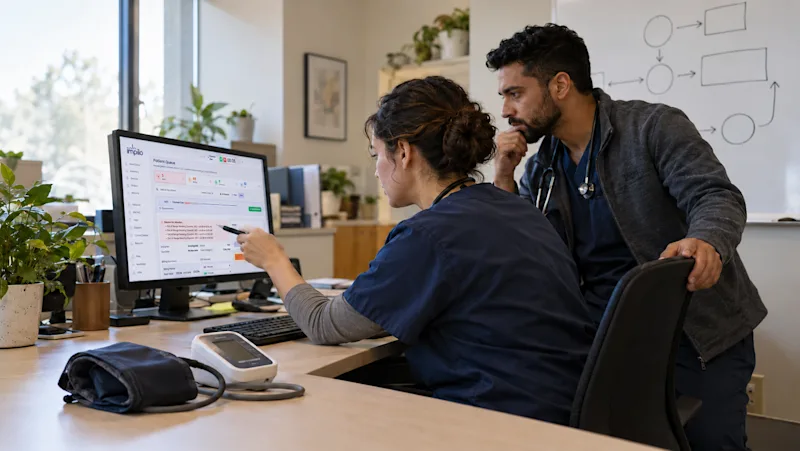
Remote patient monitoring involves using digital tools and devices to collect medical data like blood pressure, heart rate, or blood sugar levels, and then transmitting it to healthcare providers in real time. This approach bridges the gap between in-person visits, offering patients and providers a continuous stream of data.
Health plans are now actively adopting RPM to make healthcare smarter, more efficient, and more proactive. Why? Because remote monitoring empowers preventive care, reduces avoidable hospital visits, and tailors interventions to real-time needs.
The Shift Toward Integration
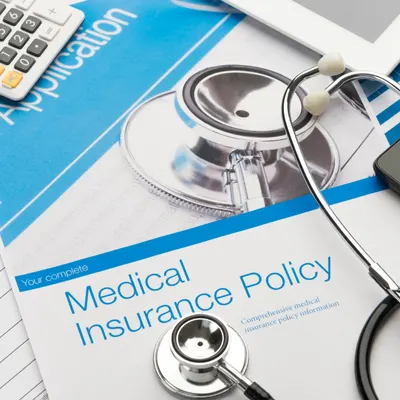
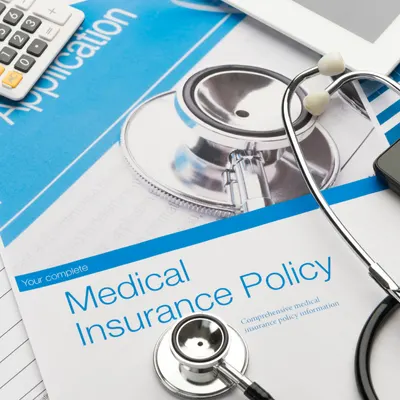
Health insurance providers see RPM as a way to control costs while enhancing care. By reimbursing providers for RPM services or incorporating it directly into covered benefits, health plans are placing more emphasis on prevention and early intervention. For instance, Medicare now reimburses RPM services, recognizing their value in managing chronic conditions like diabetes, hypertension, and COPD.
Private insurers are also following suit. Large organizations like UnitedHealthcare and Aetna, for example, have begun partnering with RPM companies to offer programs targeting specific conditions.
The goal is twofold:
Reduce the healthcare system's financial burden.
Equip patients with tools to actively manage their health.
Benefits of RPM for All
RPM doesn’t just shift how care is delivered; it creates tangible advantages for all stakeholders in the healthcare system.
For Patients
Patients benefit from accessibility, convenience, and proactive care. Here’s how RPM empowers individuals:
Improved Quality of Life: RPM reduces the need for frequent in-person appointments, freeing patients from logistical burdens like traveling or taking time off work.
Early Detection: Real-time monitoring can alert both patients and providers to potential health issues before they become serious. For example, an RPM system could notify a patient with heart failure about abnormal fluid retention, allowing for immediate intervention and avoiding hospitalization.
Better Health Engagement: With access to their own health data through mobile apps, patients are encouraged to take a more active role in managing their conditions.
For Providers
Healthcare professionals are often stretched thin, but RPM enables smarter resource allocation and better decision-making:
Real-Time Insights: RPM provides clinicians with continuous patient data, enabling them to spot trends or issues early.
Reduced Workload: With automated alerts and remote communication capabilities, RPM lessens the need for frequent in-person interaction, freeing up providers’ time for more complex cases.
Enhanced Chronic Disease Management: Chronic conditions, which account for a significant portion of healthcare costs, are better managed with RPM, leading to improved outcomes and fewer emergencies.
For Insurers
Health plans directly benefit from RPM because it lowers costs associated with acute interventions while fostering healthier populations:
Cost Reduction: By preventing hospitalizations and emergency room visits, RPM helps insurers spend less on high-cost care.
Data-Driven Planning: Insurers can use RPM-generated data to assess population health trends and design programs that address common health challenges.
Member Retention: Offering RPM as part of their plan showcases insurers’ commitment to innovation and customer well-being, which can attract and retain members.
The Future of Health Plans and RPM
The integration of RPM into health plans is more than a trend. It’s a strategic move toward value-based care. We can expect to see even more innovative uses of RPM in the future, including integrating wearable tech like Apple Watches and Fitbits into mainstream health coverage.
Artificial intelligence could also play a role in analyzing RPM data to predict risks and suggest interventions. We may see policies evolve to make RPM even more accessible, ensuring that the benefits extend to all demographics.
Final Thoughts
The intersection of health plans and RPM is reshaping the way we think about healthcare. By focusing on prevention, personalization, and cost efficiency, RPM is driving a healthier future for patients while addressing critical systemic issues.
As technology continues to advance, and as stakeholders, from insurers to health systems to policymakers, collaborate, the potential for RPM to revolutionize healthcare is limitless. For patients, it means better care. For providers, it means smarter workflows. And for insurers, it means a more sustainable healthcare framework.
Change is already here, and RPM is leading the charge toward a healthier tomorrow. Are you ready to take part?