
How CPAP Refurbishment Programs Help Virtual Sleep Practices Scale in 2026
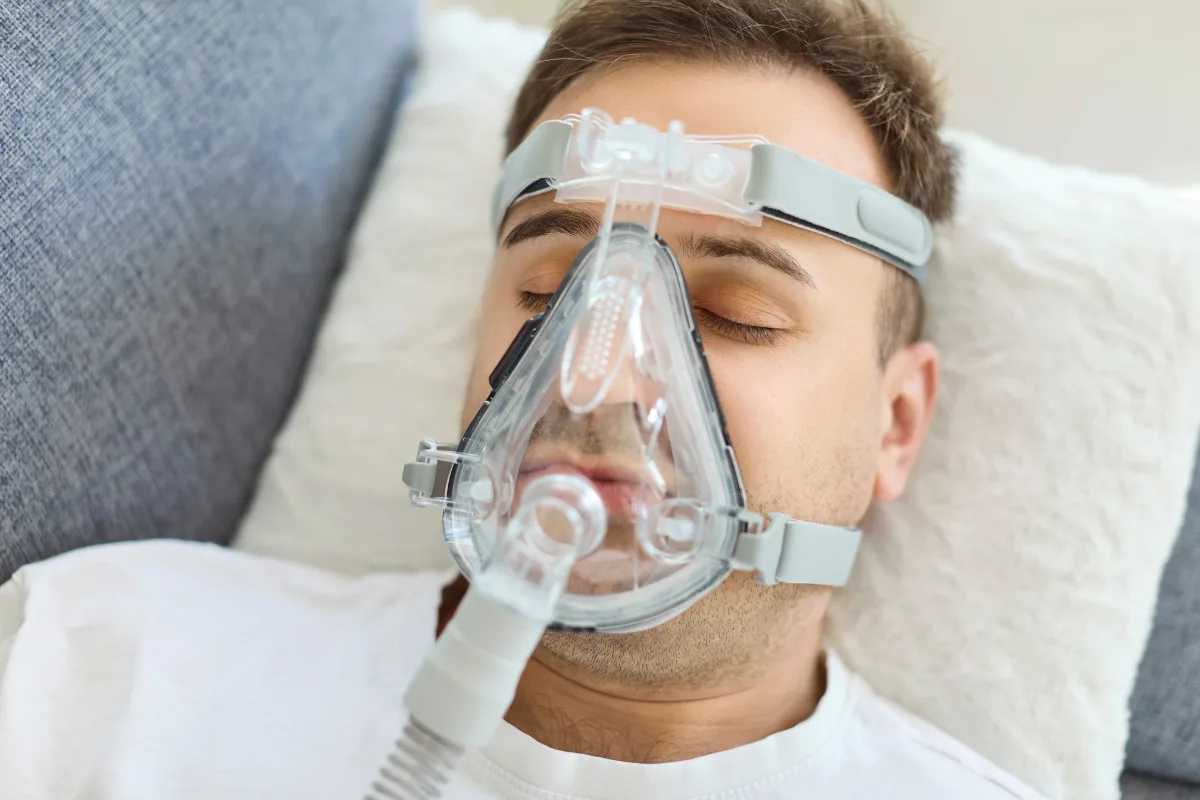
Sleep care is entering a period of rapid expansion. Demand for sleep apnea diagnosis and treatment continues to climb as awareness grows and more care moves into virtual sleep clinic infrastructure. At the same time, sleep providers are facing a new set of operational constraints.
CPAP device shortages, rising hardware costs, and increasingly complex virtual sleep clinic logistics are making it harder for clinics to scale efficiently. Many organizations are now exploring CPAP refurbishment programs as a way to increase device availability, reduce costs, and support remote patient monitoring (RPM) programs.
For sleep clinics operating virtual care models in 2026, refurbishment programs are becoming a critical piece of the infrastructure stack.
The Cost Crisis in Sleep Care
CPAP therapy remains the gold standard for treating obstructive sleep apnea (OSA), but the economics of CPAP provisioning have become increasingly difficult for clinics and sleep organizations.
Several forces are driving the challenge:
Device supply constraints: Manufacturers have faced production slowdowns and component shortages, creating unpredictable availability for new CPAP devices.
Rising equipment costs: The cost of CPAP devices, masks, and accessories continues to increase, putting pressure on clinic margins.
Growing patient demand: More patients are being diagnosed with sleep apnea through home sleep tests and telehealth programs, creating additional device demand.
Expansion of remote care: Virtual sleep clinics now support patients across entire states or national populations, increasing the need for scalable device fulfillment systems.
Without a more flexible device supply strategy, clinics often face a difficult choice: limit growth or absorb rising equipment costs.
This is where CPAP refurbishment programs are increasingly becoming part of the solution.
What Is a CPAP Refurbishment Program?
A CPAP refurbishment program is a structured process that safely recovers, cleans, tests, and redeploys CPAP devices so they can be used again in patient care.
These programs are designed to meet strict clinical and regulatory standards while extending the useful life of sleep therapy devices.
A typical refurbishment workflow includes:
Device recovery: Previously issued CPAP devices are returned when therapy ends, when patients upgrade devices, or when equipment is no longer needed.
Clinical-grade sanitation: Devices undergo medical-grade cleaning and sanitation procedures to remove contaminants and ensure safety.
Quality assurance and testing: Technicians test airflow, pressure calibration, and device functionality to ensure the device meets manufacturer specifications.
Component replacement: Wear components such as filters, tubing interfaces, and seals may be replaced.
Documentation and compliance verification: Devices are logged, tracked, and documented to maintain compliance and traceability.
The result is a fully validated CPAP device that can safely reenter the care ecosystem.
For many sleep clinics, this approach dramatically increases device availability while maintaining patient safety standards.
How Virtual Sleep Clinics Reduce CPAP Costs
One of the biggest advantages of refurbishment programs is financial. Sleep clinics can significantly reduce equipment costs by incorporating refurbished devices into their therapy programs.
Key financial benefits include:
Lower device acquisition costs: Refurbished CPAP units typically cost far less than new devices, allowing clinics to expand patient access without increasing capital spend.
Improved device utilization: Many CPAP devices are used for only a portion of their functional lifespan. Refurbishment allows clinics to capture the remaining usable value.
Reduced inventory shortages: Clinics can maintain a more stable supply of devices by reintroducing recovered units into their inventory pool.
Better margins for virtual care models: Virtual sleep organizations that manage thousands of patients rely on efficient device economics to scale. Refurbishment helps protect margins as patient volume grows.
For large telehealth sleep programs, refurbishment can turn CPAP devices from a one-time cost into a reusable infrastructure asset.
Logistics Challenges in Sleep Care
While refurbishment programs offer clear benefits, they also introduce new operational challenges. Sleep clinics must manage complex forward and reverse logistics processes to make refurbishment work effectively.
These include:
Device returns: Recovering CPAP devices from patients when therapy ends.
Inspection and intake processing: Logging returned devices and evaluating whether they qualify for refurbishment.
Transportation to refurbishment centers
Inventory tracking and storage
Redeployment to new patients
When these processes are handled manually or across multiple vendors, operations quickly become fragmented.
This is why many sleep organizations partner with a healthcare-focused 3PL provider to manage the process end-to-end. A dedicated logistics partner can coordinate device recovery, refurbishment workflows, and patient fulfillment in a single system.
Why CPAP Device Tracking Matters
Device refurbishment programs only work if clinics have clear visibility into where every device is located.
Without proper CPAP device tracking, organizations face major operational risks:
Lost or unreturned devices
Inaccurate inventory counts
Compliance challenges
Inefficient refurbishment cycles
Modern sleep care infrastructure increasingly relies on device tracking platforms that provide real-time visibility into equipment movement.
These platforms allow sleep clinics to:
Track devices across patients and locations
Monitor refurbishment eligibility
Maintain chain-of-custody documentation
Support compliance requirements
Improve operational forecasting
When device tracking is connected to patient data and RPM systems, clinics can also better monitor therapy adherence and equipment utilization.
The Rise of Virtual Sleep Clinic Infrastructure
The shift toward virtual sleep clinics has fundamentally changed how sleep care is delivered.
Modern sleep organizations now require infrastructure that supports:
Nationwide patient onboarding
Home sleep testing
CPAP fulfillment and setup
Remote patient monitoring
Device refurbishment and reuse
Data integration with clinical systems
In many ways, sleep care is evolving into a logistics-driven healthcare model where device movement and patient data must stay synchronized.
Organizations that can manage both effectively are best positioned to scale.
How Impilo Powers End-to-End Sleep Infrastructure
For sleep clinics building modern care models, infrastructure is just as important as clinical expertise. Impilo provides an integrated platform that helps sleep organizations manage the full lifecycle of sleep therapy devices.
This includes:
Device Sourcing
Impilo helps sleep clinics access new and refurbished CPAP devices through a reliable supply network.
Refurbishment and Quality Assurance
Returned devices can be inspected, refurbished, and validated through structured quality control processes.
Patient Fulfillment
Devices can be shipped directly to patients, enabling virtual therapy initiation without requiring in-person visits.
Device Tracking
Clinics gain visibility into every device across the supply chain, from inventory to patient use.
API Integration
Sleep organizations can connect device logistics into their existing health platforms through API integrations.
The result is a scalable operational layer that supports the growth of modern sleep care.
The Future of Sleep Care Logistics
Sleep clinics today are under pressure to expand access to therapy while managing operational complexity and rising equipment costs.
Refurbishment programs, device tracking systems, and healthcare logistics infrastructure are becoming essential components of the sleep care ecosystem.
By integrating these capabilities, clinics can unlock new efficiencies while delivering better patient outcomes.
Sleep clinics shouldn’t have to choose between growth and margin.
With the right infrastructure, they can achieve both.
FAQ
What is a CPAP refurbishment program?
A CPAP refurbishment program is a process where previously issued CPAP devices are returned, sanitized, tested, and restored so they can safely be used again. Devices go through medical-grade cleaning, performance testing, and quality checks before being redeployed to new patients, helping sleep clinics increase device availability while reducing equipment costs.
How do sleep clinics reduce CPAP equipment costs?
Sleep clinics reduce CPAP costs by using device refurbishment programs, equipment recovery programs, and logistics partners that manage inventory and device reuse. By refurbishing returned CPAP machines instead of purchasing new units for every patient, clinics can extend device lifecycles, improve inventory utilization, and lower overall therapy delivery costs.
Are refurbished CPAP machines safe for patients?
Yes. When processed through a certified CPAP refurbishment program, devices undergo rigorous clinical-grade sanitation, testing, and quality assurance. Technicians inspect airflow accuracy, pressure calibration, and device functionality to ensure the machine meets manufacturer performance standards. Components that wear over time, such as filters or seals, are replaced before the device is redeployed. When properly refurbished and documented, CPAP devices can safely return to circulation while maintaining compliance and patient safety.
Can refurbished CPAP machines support remote patient monitoring?
Yes. Most modern CPAP machines include built-in connectivity that allows sleep clinics to monitor therapy adherence and performance remotely. When properly refurbished and tested, these devices can still transmit patient usage data, making them compatible with remote patient monitoring (RPM) programs for sleep apnea.