
How Pairing PERS and Remote Patient Monitoring (RPM) Devices Can Create a Connected Care Ecosystem

What Are PERS Devices and Why Do They Matter?
Personal Emergency Response Systems (PERS) have long been relied on by seniors, individuals with chronic conditions, and vulnerable patients. Typically worn as pendants, wristbands, or mobile units, they provide rapid access to help in emergencies such as falls, chest pain, or sudden illness.
While lifesaving, PERS devices have historically been reactive tools activated only after a crisis occurs.
The Rise of Remote Patient Monitoring (RPM)
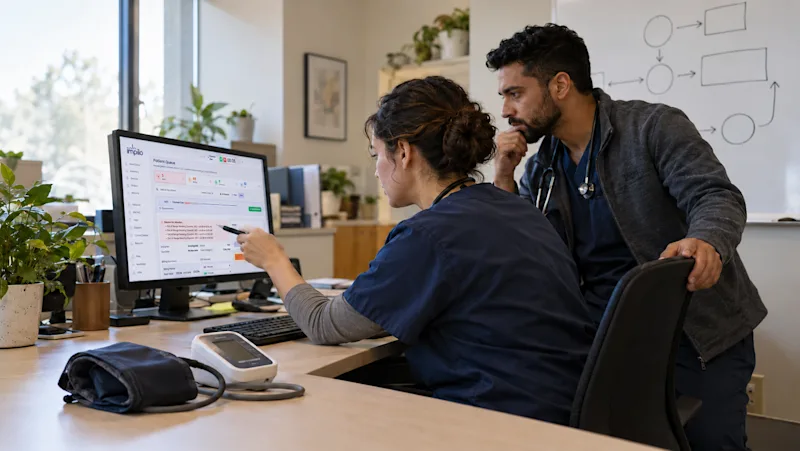
Remote Patient Monitoring (RPM) uses connected devices like blood pressure cuffs, glucose monitors, scales, and pulse oximeters to capture daily health metrics. This real-time data gives clinicians the ability to track trends, spot early warning signs, and intervene before conditions escalate.
RPM is proactive care at scale, aligning perfectly with value-based care models and the shift toward at-home healthcare delivery.
Why Integrating PERS with RPM Is the Future of Connected Care
On their own, PERS and RPM deliver value, but together, they unlock a powerful continuum of care:
PERS alone: Emergency response after an incident.
RPM alone: Ongoing health monitoring without emergency detection.
Integrated PERS + RPM: A seamless system that prevents crises while also responding instantly if they occur.
This combination provides:
Patients & Families: Peace of mind, knowing health is being monitored and help is always one button away.
Clinicians: More context when responding to emergencies. A fall alert, combined with low blood pressure readings, tells a clearer story.
Health Systems & Payers: Fewer readmissions and emergency visits, lowering costs in value-based care contracts.
PERS Providers: A way to differentiate by evolving into true connected care partners.
Key Benefits of PERS + RPM Integration
Reduced Hospitalizations: Early detection plus immediate emergency support lowers costly admissions.
Personalized Interventions: Clinicians see both daily vitals and acute incidents, enabling smarter care decisions.
Stronger Patient Engagement: Seniors and caregivers gain confidence with simple, reliable devices that keep them safe and supported.
Aligned With Healthcare Trends: Supports the shift to home-based, tech-enabled, and preventive care models.
Overcoming Barriers to Adoption
For integration to succeed, healthcare and technology partners must address:
Interoperability: Ensuring PERS and RPM devices share data seamlessly with EHRs.
Ease of Use: Designing simple, senior-friendly devices and materials with minimal setup.
Trust & Security: Protecting sensitive health data while guaranteeing reliability in emergencies.
A Glimpse Into the Future of Connected Care
Picture an older adult wearing a discreet PERS pendant linked to their RPM devices. Over several days, their blood pressure readings trend downward. Suddenly, the PERS detects a fall. Instead of treating these events separately, the care team connects the dots and intervenes immediately, recognizing dizziness from hypotension.
This isn’t just an emergency response. It’s connected, predictive, and preventive care in action.
Conclusion: From Buttons to Ecosystems
The future of healthcare lies in integration, not isolation. By pairing PERS devices with RPM technology, providers can deliver safer, smarter, and more personalized care.
The opportunity is clear: transform reactive “help buttons” into proactive connected care ecosystems that protect patients, empower families, and drive down healthcare costs.