
We are excited to announce the success of our first webinar in the Impilo Webinar Series, "Basics of Starting Your Own RPM Program". This session provided a how-to-guide for digital and virtual care companies looking to establish Remote Patient Monitoring (RPM) in their healthcare organizations.
For those who missed the live session, fear not! The webinar recording is available here.
Why are RPM Programs so Important?
Remote Patient Monitoring (RPM) programs play a key role in supporting the goal of making healthcare accessible for all. Remote Patient Monitoring not only allows patients to receive quality care regardless of location, it also encourages patients to become self advocates on their healthcare journey, facilities the access to data for faster help, reduces hospital returns, and can save on healthcare costs.
Remote Patient Monitoring (RPM) is revolutionizing healthcare by enabling continuous patient care and proactive health management. Our recent webinar on RPM provided insights into several vital aspects of implementing an effective RPM program. When implementing a remote patient monitoring program, three main areas of are top importance for success: device selection and medical device logistics, RPM billing guidelines, and emergency management.
Device Selection and Medical Device Logistics
When starting an RPM program, selecting the right devices is critical. The choice of devices directly impacts the quality and efficiency of patient monitoring. For example, devices like the Body Trace Blood Pressure Monitor are vital tools for continuously tracking patients' blood pressure. These devices are not only reliable but also user-friendly, ensuring that patients can use them effectively at home.
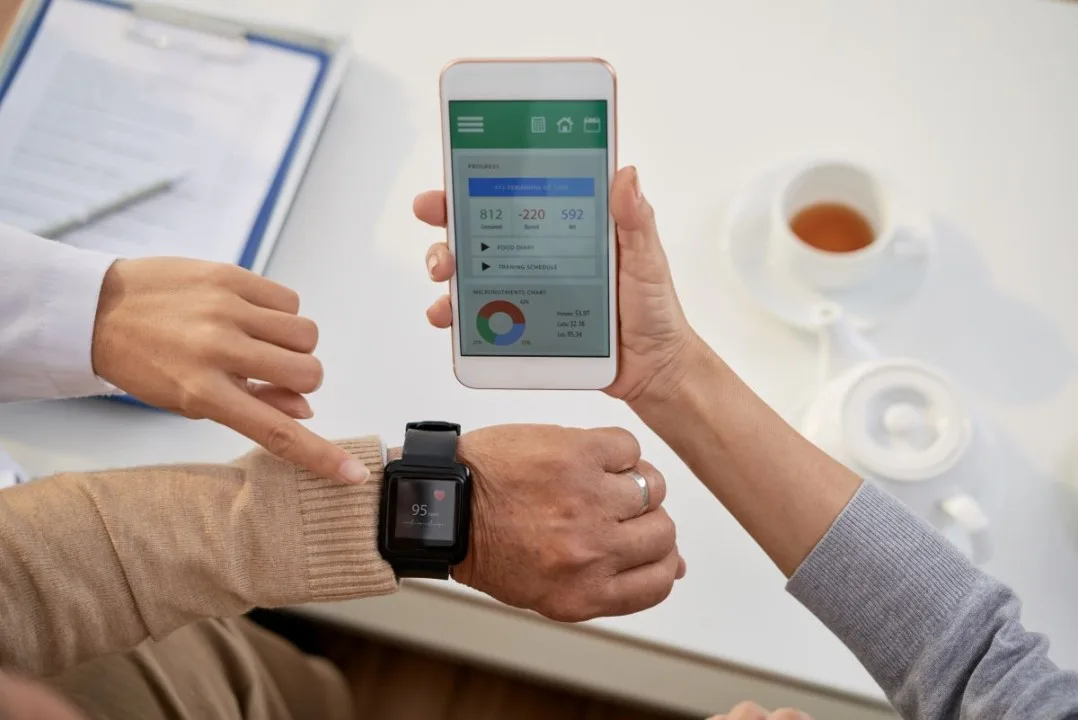
Understanding the logistics of medical devices is equally important. This includes knowing how devices connect, such as through Bluetooth or Wifi, which facilitates seamless data transfer to healthcare providers. The integration of these devices into your RPM program should be smooth, ensuring they fit well within your existing systems and workflows. This reduces the chances of technical issues and improves patient compliance and satisfaction.
Key considerations for device selection include:
Accuracy and Reliability
Ensure the devices provide precise and consistent readings.
Ease of Use
Devices should be user-friendly to encourage patient adherence.
Connectivity
Look for devices with Bluetooth, Wifi or Cellular connectivity for seamless data transmission.
Integration
Devices should easily integrate with your existing RPM software and electronic health records (EHR) systems.
Billing Guidelines
Understanding and adhering to RPM billing guidelines is critical for the financial health of your program. One aspect covered in the webinar is the CPT code 9957, which is pivotal for RPM billing. Familiarity with these guidelines ensures that you can effectively manage revenue and avoid potential financial pitfalls.
Key points to remember about RPM billing include:
Stay Updated
RPM billing guidelines can change, so staying informed about the latest updates from CMS and other relevant bodies is important.
Documentation
Maintain accurate and thorough documentation to support your billing claims.
Eligibility
Ensure that your RPM services meet the criteria set forth by payers to qualify for reimbursement under CPT code 9957.
Training
Educate your billing staff about RPM-specific codes and requirements to prevent errors and denials.
Emergency Management
Developing a emergency management plan is crucial for handling critical readings and emergencies effectively. This involves setting up protocols and systems to ensure that your clinical team can respond quickly and appropriately to any issues that arise. RPM allows for increased visibility to a patients condition and can potentially be a life-saving tool if used correctly.
Key components of an emergency management plan include:
Real-time Alerts
Implement systems that provide immediate alerts to clinicians when a patient’s readings fall outside of normal parameters.
Response Protocols
Establish clear protocols for different types of emergencies, ensuring that your team knows exactly what steps to take.
Training
Regularly train your staff on emergency procedures and the use of RPM devices.
Patient Education
Educate patients on what to do in case of an emergency, including how to use their devices correctly and when to seek immediate help.
Starting an RPM program involves carefully considering several factors to ensure its success. By focusing on selecting the right devices, understanding medical device logistics, adhering to RPM billing guidelines, and crafting an emergency management plan, healthcare providers can offer effective and efficient remote care. These steps not only enhance patient outcomes but also ensure the smooth operation and financial viability of the RPM program. With the help of RPM our healthcare system will be able to move towards bringing healthcare home.