Incorporating Continuous Glucose Monitoring into RPM Programs
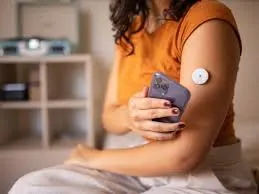
Incorporating continuous glucose monitoring (CGM) into a remote patient monitoring program significantly enhances the care and management of individuals with diabetes. CGM technology revolutionizes diabetes management by providing continuous, real-time data on glucose levels, facilitating more informed decision-making for both patients and healthcare providers.
To integrate CGM devices effectively into a remote patient monitoring program, start by educating patients about the benefits and functionality of CGM devices. Emphasize how CGM offers a more comprehensive understanding of glucose fluctuations compared to traditional fingerstick tests, enabling proactive health management. Encourage patients to embrace CGM as a vital component of their daily routine. Advise the patient to wear the CGM sensor consistently and keep the receiver or smartphone app nearby for continuous data monitoring. Stress the importance of understanding the information provided by CGM, such as glucose trends, highs, lows, and patterns, to empower patients in making timely lifestyle adjustments or medication decisions.
Patients should understand that CGM provides:
Continuous Monitoring
Unlike periodic fingerstick tests, CGM provides constant data on glucose levels.
Real-Time Alerts
Instant notifications for high or low blood sugar levels.
Detailed Trends
Insights into daily glucose patterns and trends.
Leveraging CGM Data for Healthcare Providers
For healthcare providers, incorporating CGM into remote patient monitoring involves leveraging the wealth of data collected by these devices. Regular review and analysis of CGM data during virtual visits or through remote monitoring platforms allow healthcare professionals to gain insights into patients' glucose trends, intervene promptly when necessary, and tailor treatment plans more accurately.
Obtaining a CGM
A patient's physician will need to write a prescription to obtain a CGM. This can be picked up at a pharmacy or shipped to the patient using services such as Impilo. Common options for CGMs include the Dexcom and Freestyle Libre. The prescription will need to include specifics such as the number of sensors to dispense at a time and the frequency of refills allowed. Most insurance plans require new sensor prescriptions every 3 or 6 months. Additional documentation may be necessary to confirm medical necessity as well.
Benefits of CGM in Remote Monitoring
Enhanced Glycemic Control
Real-time data allows for immediate adjustments in diet, activity, and medication, reducing the risk of hypo- and hyperglycemia.
Improved Patient Engagement
Patients become more involved in their own care by understanding and responding to their glucose data.
Reduced Complications
Timely interventions based on CGM data can prevent severe complications associated with uncontrolled diabetes.
Convenience
Fewer in-office visits are required, making diabetes management more accessible and less burdensome for patients.
Integrating continuous glucose monitoring into a remote patient monitoring program empowers individuals with diabetes to actively manage their health while enabling healthcare providers to offer more personalized and timely interventions. Embracing CGM technology in remote monitoring elevates the standard of care, leading to improved health outcomes and enhanced quality of life for patients managing diabetes.
For more information on integrating CGM into your remote patient monitoring program, contact us at sales@impilo.health!