
LTE vs. Bluetooth RPM Devices: Which Is Best for Your Patients?

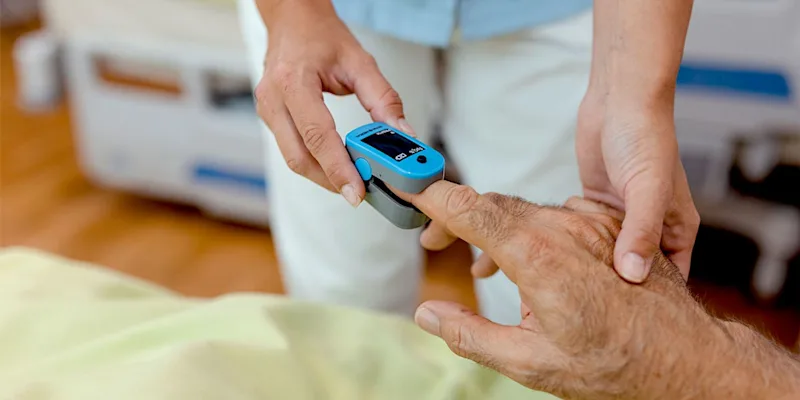
Choosing the right connectivity solution for your patient population is critical for healthcare providers. Two dominant technologies—LTE and Bluetooth—power most remote monitoring devices, each with distinct advantages and trade-offs. Understanding the differences can help you select suitable devices for your patients.
Understanding LTE Remote Monitoring Devices
What They Are: LTE (Long-Term Evolution) remote monitoring devices connect directly to cellular networks, transmitting patient health data in real time without needing an intermediary device like a smartphone or tablet.
Key Advantages:
Seamless Connectivity: Patients don't need to pair devices or connect to Wi-Fi, making LTE devices ideal for less tech-savvy individuals.
Real-Time Data Transmission: Continuous, direct data transfer ensures providers receive patient health metrics promptly.
Improved Patient Compliance: LTE devices function independently, and data gaps are less likely caused by user error or connectivity issues.
Potential Drawbacks:
Higher Cost: LTE-enabled devices often have higher upfront costs and ongoing data subscription fees.
Coverage Limitations: Rural areas with weak cellular service may experience connectivity challenges.
Understanding Bluetooth Remote Monitoring Devices
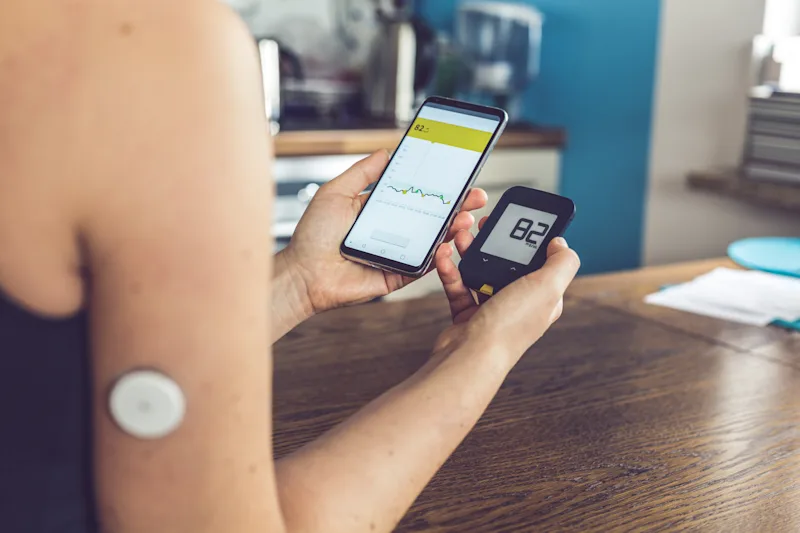
What They Are: Bluetooth RPM devices rely on a secondary device, like a smartphone or tablet, to collect and transmit patient data via an app connected to the internet.
Key Advantages:
Lower Cost: Bluetooth devices are generally more affordable without built-in cellular connectivity.
Wider Device Compatibility: Patients can use a smartphone or tablet. This eliminates the need for additional hardware.
Flexible Connectivity Options: Bluetooth devices can transmit data over Wi-Fi or cellular networks when paired with a compatible device.
Potential Drawbacks:
Requires Patient Engagement: Patients must ensure their device is paired and properly connected, which can lead to data gaps if they forget or encounter technical issues.
Connectivity Disruptions: If a patient's phone or tablet is off, uncharged, or disconnected from the internet, data transmission is interrupted.
Which Is Right for Your Healthcare Organization?
The choice between LTE and Bluetooth RPM devices depends on several factors:
Patient Population: If your patients are elderly or less tech-savvy, LTE devices minimize setup challenges and ensure reliable data collection.
Budget Considerations: Organizations looking to reduce costs may opt for Bluetooth devices if patients already have compatible smartphones.
Connectivity Needs: For patients in areas with strong cellular coverage, LTE is a solid choice, but in rural areas with weak service, Bluetooth devices paired with Wi-Fi may be more effective.
Compliance Goals: If data accuracy and real-time transmission are a priority, LTE devices provide more reliability with fewer interruptions.
Final Thoughts
LTE and Bluetooth remote monitoring devices offer significant advantages for healthcare providers looking to enhance patient care and streamline their RPM programs. Providers can choose the best solution to improve patient outcomes and operational efficiency by carefully assessing patient needs, technical requirements, and budget constraints.
Are you evaluating RPM solutions for your organization? Contact us to learn how our remote monitoring technology can optimize patient care and drive better health outcomes.