
Navigating EHRs: Understanding The Importance of Interoperability and Connectivity
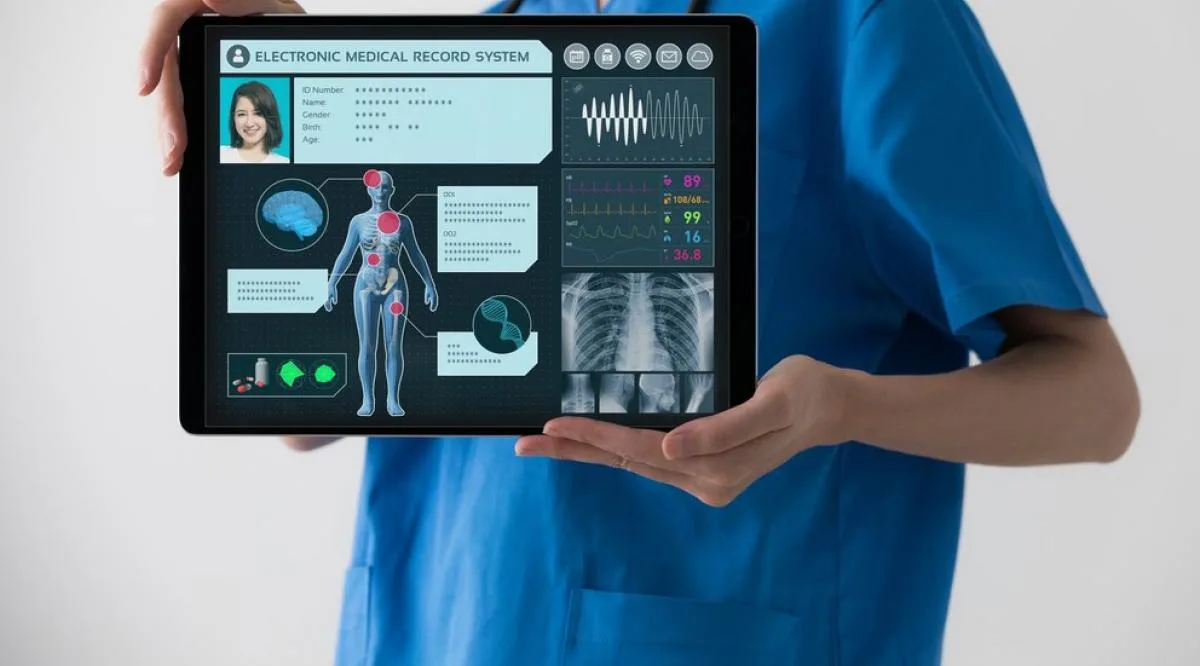
In the quickly changing landscape of healthcare technology, Electronic Health Records (EHRs) serve as essential tools for providers, much like Excel is for data analysts, enabling providers to streamline patient care and improve healthcare outcomes. EHRs allow providers to review their patients' medical history in a convenient manner. However, EHRs are only one of many platforms that providers use. When providers work out of multiple platforms, data can be missed, and less time is spent focusing on the patient. A simple solution providers can turn to is partnering with an organization that integrates directly into your EHR. For EHRs to truly aid healthcare delivery, interoperability is key.
What is the Difference Between EMR and EHR?
Many people confuse EMRs and EHRs and use them interchangeably. There is a distinct difference between Electronic Medical Records (EMRs) and EHRs. An EMR is a digital version of a patient’s healthcare chart. EMR systems are software programs that allow healthcare practices to create, store and receive these charts. Where as an EHR is an electronic version of a patients medical history, that is maintained by the provider over time, and may include all of the key administrative clinical data relevant to that persons care under a particular provider, including demographics, progress notes, problems, medications, vital signs, past medical history, immunizations, laboratory data and radiology reports. While EMRs contain patient health information collected by a single healthcare provider, EHRs are designed to be shared across multiple healthcare providers and systems. EHRs provide a comprehensive view of a patient's medical history, including diagnoses, medications, treatment plans, immunization dates, allergies, radiology images, and laboratory test results. It's important to note the significance of EHRs in modern healthcare. These systems not only store patient information but also serve as a central hub for managing patient care. EHRs contain a wide range of data, including demographics, progress notes, problems, medications, vital signs, past medical history, immunizations, laboratory data, and radiology reports. Unlike EMRs, which are typically limited to a single healthcare provider, EHRs are designed to be shared across multiple providers and systems, providing a comprehensive view of a patient's medical history. While there are technical distinctions between Electronic Medical Records (EMRs) and EHRs, for the purpose of this blog, we will refer to them interchangeably as they both play a critical role in providing an overview of a patient's medical history.
The Role of EHRs
EHRs allow healthcare providers to review patients' medical data conveniently. However, EHRs can also present challenges, particularly when it comes to interoperability. When working across multiple platforms and applications, providers may experience challenges such as data gaps, burnout, and limited time to focus on their care delivery. Healthcare providers often use different EHR systems, which can lead to difficulties in sharing information and collaborating effectively. This is where interoperability becomes critical. By ensuring that different EHR systems can communicate and share data, interoperability enables healthcare providers to access the information they need, when they need it, improving the quality and efficiency of patient care. Despite the importance of interoperability, healthcare organizations often face challenges in achieving data exchange between different EHR systems. One major challenge is the lack of standardized formats and protocols, leading to data inconsistencies and compatibility issues.To address these issues, providers can partner with organizations that integrate directly into their EHR systems Enhancing interoperability among EHR systems is essential for ensuring strong communication and collaboration across the care organization.
Here are some strategies to improve EHR interoperability:
Adopting Standardized Formats: Implementing standardized formats such as HL7 (Health Level Seven International) and FHIR (Fast Healthcare Interoperability Resources) can facilitate the exchange of health information between different EHR systems. Health Level Seven (HL7) is a standard for medical informatics exchange between healthcare providers. Its applicable area includes order entry of many kinds, test result reporting, prescriptions, Admit/Discharge/Transfer of patient, etc.
Ensuring Data Security: While sharing patient information, it is important to ensure data security and compliance with regulations such as HIPAA (Health Insurance Portability and Accountability Act) to protect patient privacy.
Utilizing Health Information Exchanges (HIEs): HIEs enable healthcare providers to access and share patient information securely, even if they are using different EHR systems.
Implementing Interoperability Solutions: Investing in interoperability solutions and technologies, such as APIs and middleware, can help bridge the gap between disparate EHR systems.
Promoting EHR Usability: Improving the usability of EHR systems can enhance user adoption and facilitate the exchange of information between healthcare providers.
The Importance of Interoperability: Interoperability reduces provider burnout, data silos, and more allowing providers to focus on patient care.
Announcing Our Partnership with Healthie and Athenahealth
Impilo is enhancing EHR interoperability by integrating with many popular EHR systems. With our solutions, healthcare providers can access and share patient information across different EHR platforms, enabling significant improvements in healthcare outcomes. Impilo has partnered with Healthie and Athena, leading EHR providers, to further enhance interoperability in healthcare. Impilo as integrates into popular EHRs including Epic, Elation, Canvas, and more. Together, we are committed to improving connectivity and collaboration among healthcare providers.
Interoperability is essential for unlocking the full potential of EHRs and improving healthcare delivery. By adopting standardized formats, ensuring data security, and investing in interoperability solutions, healthcare organizations can enhance connectivity and collaboration across the healthcare ecosystem. With Impilo's interoperability capabilities and our partnership with Healthie and Athena, we are shaping a more connected future in healthcare.
Interested in learning more?
Contact us!