Remote Patient Monitoring and Digital Health Improving Everyday Healthcare
The way we approach healthcare is changing rapidly. Remote patient monitoring (RPM) and digital health technologies are at the forefront of this transformation. With tools like wearable devices, telemedicine, and AI-driven analytics, these innovations make it easier to provide personalized care while improving patient outcomes and operational efficiency. This blog will explore the evolution of these technologies, the role of RPM in healthcare, and what the future holds for digital health.
What is Remote Patient Monitoring?
Remote Patient Monitoring (RPM) allows healthcare providers to collect patient data outside of traditional clinical settings. With the help of digital tools, RPM can track vital signs, symptoms, and other health metrics from the comfort of a patient’s home. This data is then transmitted to providers, enabling them to monitor health trends, identify risks, and intervene early when necessary.
For example, an individual with hypertension might wear a blood pressure monitor that automatically sends readings to their doctor. This allows for early adjustments to treatment plans, potentially preventing serious complications like strokes or heart attacks.
The Evolution of Digital Health
Digital health has grown from simple telecommunication tools to a robust ecosystem of technologies that empower patients and providers alike. Telemedicine was the initial gateway, allowing patients to consult with doctors remotely. Over time, more sophisticated tools like wearables, mobile health apps, and advanced data analytics have expanded the landscape.
Wearables like smartwatches and fitness trackers are great illustrations of this progress. Once limited to tracking steps, these devices now monitor heart rates, blood oxygen levels, and sleep patterns, among other metrics. The evolution of digital health is not only about gathering more data but also interpreting that data in ways that lead to actionable insights.
The Role of RPM in Modern Healthcare
Remote Patient Monitoring (RPM) has become a turning point in providing proactive, continuous care. It aligns with a shift in healthcare from reactive treatment of diseases to preventive and personalized care models. Here’s a closer look at how RPM is making a difference:
Benefits for Patients
Convenient Access to Care: Patients no longer need to visit a clinic for every check-up. RPM enables health monitoring from home, reducing travel and wait times.
Improved Outcomes: By delivering real-time insights, RPM helps catch issues early, leading to better outcomes. For example, continuous glucose monitoring can provide diabetic patients and their providers with steady feedback, allowing for quick adjustments to medication or diet.
Greater Autonomy: Patients become active participants in managing their health with access to their own data and progress reports.
Benefits for Providers
Enhanced Decision-Making: Continuous health data provides a more robust picture of a patient’s condition, enabling better-informed decisions.
Operational Efficiency: Automated data collection and remote care reduce in-person visits, lowering costs and freeing up healthcare resources for critical needs.
Stronger Patient Relationships: Providers can engage with patients more frequently and meaningfully, fostering trust and cooperation.
Key Trends Driving Digital Health and RPM
Several trends are pushing RPM and digital health further into the mainstream. Each of these is shaping the way care is delivered and experienced.
Wearable Devices and Portable Monitoring
Wearables are one of the key differentiators of RPM. Smartwatches, fitness bands, and even specialized medical devices have made it effortless to collect detailed health information daily. Devices like the Apple Watch come equipped with ECG features, while tools like continuous blood pressure monitors are improving care for chronic conditions.
Telemedicine Integration
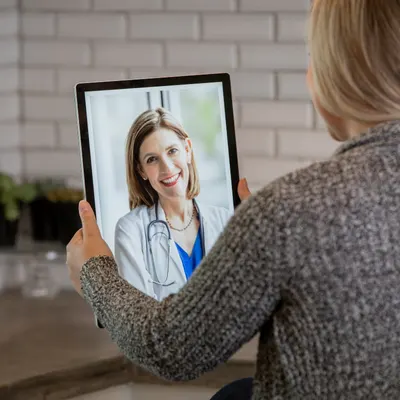
Telemedicine goes hand-in-hand with RPM, expanding access to care for rural or underserved communities. For example, a patient experiencing mild symptoms of COPD (chronic obstructive pulmonary disease) can discuss their condition through a video consultation, while RPM tools provide the doctor with live oxygen saturation levels.
AI-Powered Insights
Artificial intelligence is elevating the usefulness of RPM by turning raw data into actionable insights. For instance, predictive analytics powered by AI can alert providers about potential risks, such as sudden blood pressure spikes, before they lead to hospitalizations.
Data Interoperability and Connected Systems
One of the most promising developments in digital health is the move toward integrated health systems. Platforms that connect RPM devices, Electronic Health Records (EHRs), and analytics tools enable seamless communication, giving providers a single source of truth when managing care.
Real-World Examples of RPM Success
Many healthcare organizations have already demonstrated the value of remote patient monitoring.
Managing Chronic Conditions: Programs like the Veterans Health Administration’s RPM initiative have been successful in managing diabetes, hypertension, and heart failure, reducing hospital admissions and improving patient satisfaction.
Post-Surgical Monitoring: RPM has also been used to track recovery after surgeries, helping identify complications early and minimizing the need for follow-ups.
Maternal and Newborn Health: Startups like Babyscripts are using RPM to monitor pregnant women and new mothers, offering tools that can detect complications like preeclampsia early on.
Challenges and Considerations in RPM
Despite its advantages, RPM has challenges. Addressing these issues is critical to ensuring the technology’s success and widespread adoption.
Data Security and Privacy: With so much sensitive health data being transmitted and stored, cybersecurity threats are a concern. Healthcare providers must ensure compliance with regulations like HIPAA and invest in robust systems to safeguard patient data.
Patient Engagement: While some patients are enthusiastic adopters of technology, others may struggle with using RPM tools. It’s crucial to provide education and support to patients to maximize the benefits.
Interoperability Issues: Lack of standardization can create barriers when integrating RPM devices with other health systems.
The Future of Digital Health and RPM
Looking ahead, the potential for digital health and RPM is almost limitless. Developments like 5G networks, advanced AI algorithms, and even more sophisticated wearables will make it easier to provide hyper-personalized care. Virtual reality (VR) and augmented reality (AR) could further enhance telemedicine experiences. Meanwhile, efforts to refine interoperability standards will pave the way for a more unified healthcare system.
However, the future of digital health isn’t simply about technology. At its core, it’s about people. Whether it’s improving access to healthcare for underserved populations or empowering individuals to take control of their well-being, digital health and RPM are reshaping what it means to care for patients.
Takeaway
Remote Patient Monitoring (RPM) and Digital Health Technologies (DHT) are transforming healthcare. By enabling proactive, personalized care, they’re helping patients live healthier lives while allowing providers to deliver better outcomes more efficiently. Although challenges like data security and patient engagement remain, the advancements suggest an exciting future. The shift toward digital-first care is no longer a distant possibility; it’s happening now. The question isn’t "if" healthcare will change, but "how" far this transformation will go.