Remote Patient Monitoring for Hypertension: From Home Readings to Clinical Action
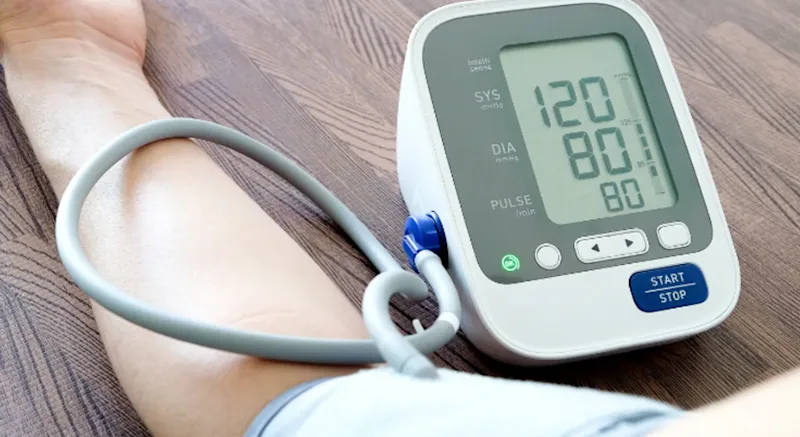
Hypertension is a natural use case for remote patient monitoring. Blood pressure changes over time, but traditional care often depends on measurements taken during occasional office visits. Home monitoring can add more information between those visits; provided that the device is accurate, the patient uses it correctly, and the readings lead to an appropriate care workflow.
The cuff collects the measurement. The program turns that measurement into care.
Why Hypertension Needs Better Visibility
Nearly half of U.S. adults have hypertension. CDC estimates from August 2021 through August 2023 placed adult hypertension prevalence at 47.7%.
The American Heart Association recommends home monitoring for people diagnosed with high blood pressure to help clinicians understand whether treatment is working. It also emphasizes that home monitoring does not replace regular medical care.
A series of home readings can provide information that one office measurement cannot. It can help the care team observe trends and discuss how treatment, behavior, and other factors may relate to the patient’s blood pressure.
But the usefulness of that information depends on how it is collected.
Start With a Validated Device and Good Technique
An attractive dashboard cannot correct an inaccurate measurement.
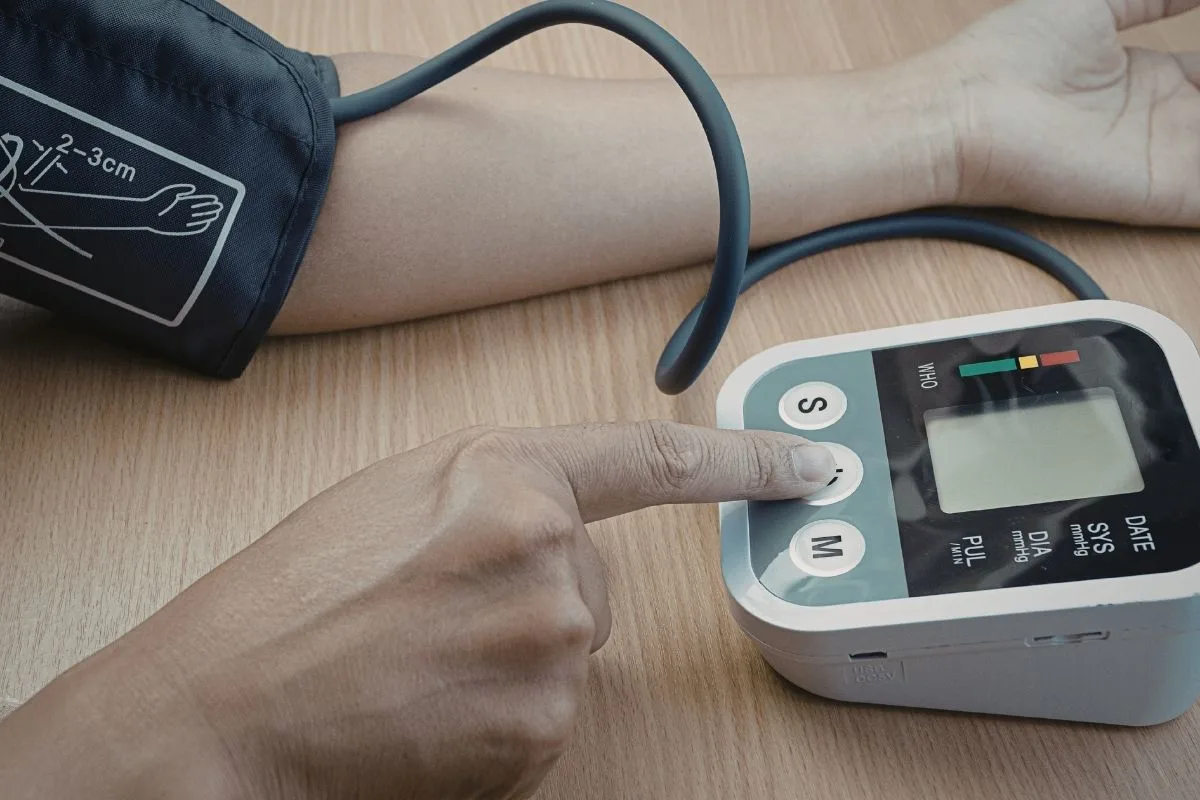
The American Heart Association recommends an automatic, upper-arm cuff-style monitor for home use. The cuff must fit correctly, and patients need instructions for positioning and measurement.
The AMA also recommends choosing devices that have passed an accepted independent validation protocol. Its self-measured blood pressure accuracy guide notes that training patients to prepare for and perform measurements correctly is essential to obtaining accurate results.
An RPM hypertension workflow should address:
Device validation
Correct cuff size
Patient position
Measurement timing
Repeat-reading instructions
Automatic data transmission
Technical troubleshooting
What to do after an unexpectedly high reading
When symptoms require emergency care
Connected transmission reduces manual data entry, but it does not remove the need for patient education.
What the Evidence Says About Remote Support
A 2026 systematic review and meta-analysis examined 31 randomized studies involving 9,559 adults with hypertension.
The pooled analysis found statistically significant improvements in systolic and diastolic blood pressure, pulse pressure, and total cholesterol among patients receiving telemedicine interventions. It also found improvements in self-efficacy, self-management skills, and hypertension literacy. However, it did not find significant differences in medication adherence, weight, body mass index, or LDL cholesterol.
The intervention models varied, and subgroup findings were not uniform across ages and regions. The evidence should then be interpreted as support for home monitoring combined with remote provider support, not proof that every technology or RPM program will produce the same result. That distinction matters.
A blood pressure cuff alone is not the intervention. The value comes from combining reliable measurements with education, communication, review, and appropriate clinical action.
Turn Readings Into a Defined Workflow
A hypertension RPM program should make it clear what happens after the data arrives.
The workflow may consider:
Whether the reading is technically plausible
Whether a repeat reading is appropriate
How the value compares with the patient’s baseline
Whether abnormal readings are isolated or sustained
Whether the patient has relevant symptoms
Who reviews the information
When the patient is contacted
When the clinician considers changing the care plan
How the review and follow-up are documented
The American Heart Association advises patients that a single high reading is not automatically an immediate cause for alarm and recommends repeating an unexpectedly high measurement. It also provides separate instructions for readings above 180/120 mm Hg, particularly when symptoms are present. Patient-facing emergency instructions should always follow the organization’s approved clinical protocols.
Impilo brings connected blood pressure readings, longitudinal trends, smart thresholds, patient communications, and escalation workflows together in one platform. That gives care teams a unified view of the patient rather than leaving readings, messages, and clinical follow-up in separate systems.
The Program Matters as Much as the Device
Remote blood pressure monitoring can provide better visibility between visits. It cannot create better care on its own. Programs still need validated devices, patient education, consistent measurement, thoughtful thresholds, responsive communication, and a clear clinical owner.
The strongest hypertension RPM programs connect all of those elements. They help the patient collect reliable information and help the care team know when—and how—to act on it.
Frequently Asked Questions
What device should be used for hypertension RPM? Upper-arm cuff-style blood pressure monitors are the recommended devices to monitor hypertension from home. Healthcare organizations should also confirm that the device has been independently validated for clinical accuracy and that the cuff fits the patient correctly. One site to check out is Validate BP: https://www.validatebp.org/
Does home blood pressure monitoring replace office visits? No. Home monitoring does not replace regular visits with a health care professional. It provides additional information that can support care between visits.