When healthcare organizations talk about innovation, the conversation almost always starts in the same place: the care model. Value-based care. Remote patient monitoring. Chronic disease management programs. Hospital-at-home. These models represent real progress — but they share a common failure point that rarely makes the pitch deck.
The infrastructure behind the model breaks.
The Reality of Modern Care Delivery
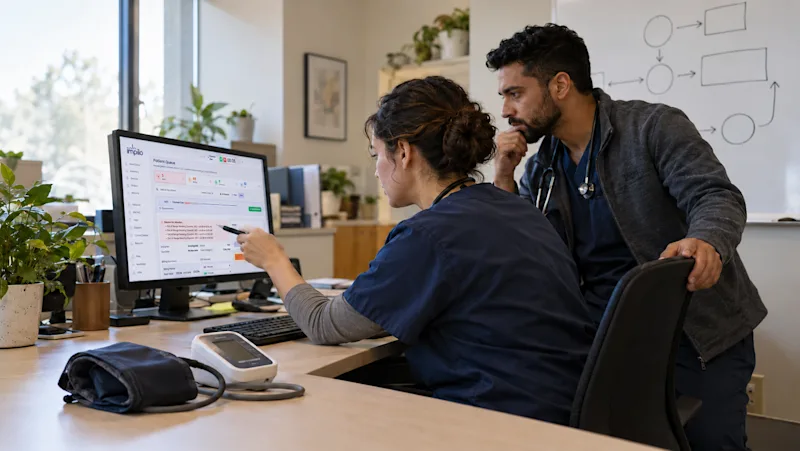
Today's care models look nothing like they did a decade ago. They're distributed across geographies, powered by connected devices, and delivered through hybrid combinations of in-person and remote touchpoints. A single patient might interact with a care program through a cellular-enabled blood pressure cuff, a mobile app, a care coordinator's outreach call, and a physician dashboard — all in the same week.
That complexity doesn't manage itself. Every distributed care platform, every virtual care platform, every device-enabled chronic care program depends on operational excellence to function — and operational excellence doesn't happen by accident. It's built.
The organizations that understand this aren't just selecting RPM software or procuring remote patient monitoring devices. They're investing in the platform layer that makes care programs executable at scale.
What Is Care Delivery Infrastructure?
Care delivery infrastructure is everything that supports care beyond the clinical layer. It's the operational backbone that ensures the right device reaches the right patient at the right time — and that every step in between is tracked, coordinated, and visible.
For teams running remote patient monitoring programs, virtual care platforms, or distributed care models, this infrastructure includes:
Medical device logistics: the fulfillment, shipping, and returns management that keeps devices moving
Patient device provisioning: the process of activating, configuring, and onboarding patients to connected devices
Device lifecycle management: tracking, retrieving, and redeploying devices across their full useful life
Data flow and real-time visibility: surfacing operational data where care teams can act on it
System integration: connecting your RPM platform, EHR, and care management tools into one coherent workflow
Most organizations build these capabilities separately — a vendor here, a manual process there, a spreadsheet holding it together in the middle. It works until it doesn't.
Why Infrastructure Is the Real Differentiator
When evaluating remote patient monitoring vendors or comparing RPM solutions, most buyers focus on clinical features: what data does it capture, how does it flag alerts, what does the clinician dashboard look like. These are important questions. But they miss the operational layer that determines whether a program actually scales.
Without strong infrastructure behind your care model:
Care delays increase as device fulfillment falls behind enrollment
Costs rise when devices go untracked, unretrieved, or replaced unnecessarily
Patient experience suffers when onboarding is confusing and support is slow
Care teams become overwhelmed filling operational gaps that should never have been their responsibility
The organizations consistently outperforming their peers across RPM, virtual care, and distributed care programs, aren't doing it with better clinical protocols alone. They're doing it because they've built, or partnered on, infrastructure that makes execution reliable at scale.
The 5 Pillars of Scalable Care Infrastructure
The most resilient care programs are built on a dedicated RPM platform, a virtual care platform, or a broader digital health infrastructure. They all share five operational pillars:
1. Data Visibility
Care programs generate operational data constantly — shipment status, device activity, onboarding completion, engagement rates. Without real-time visibility across these signals, operations teams are always reacting rather than anticipating.
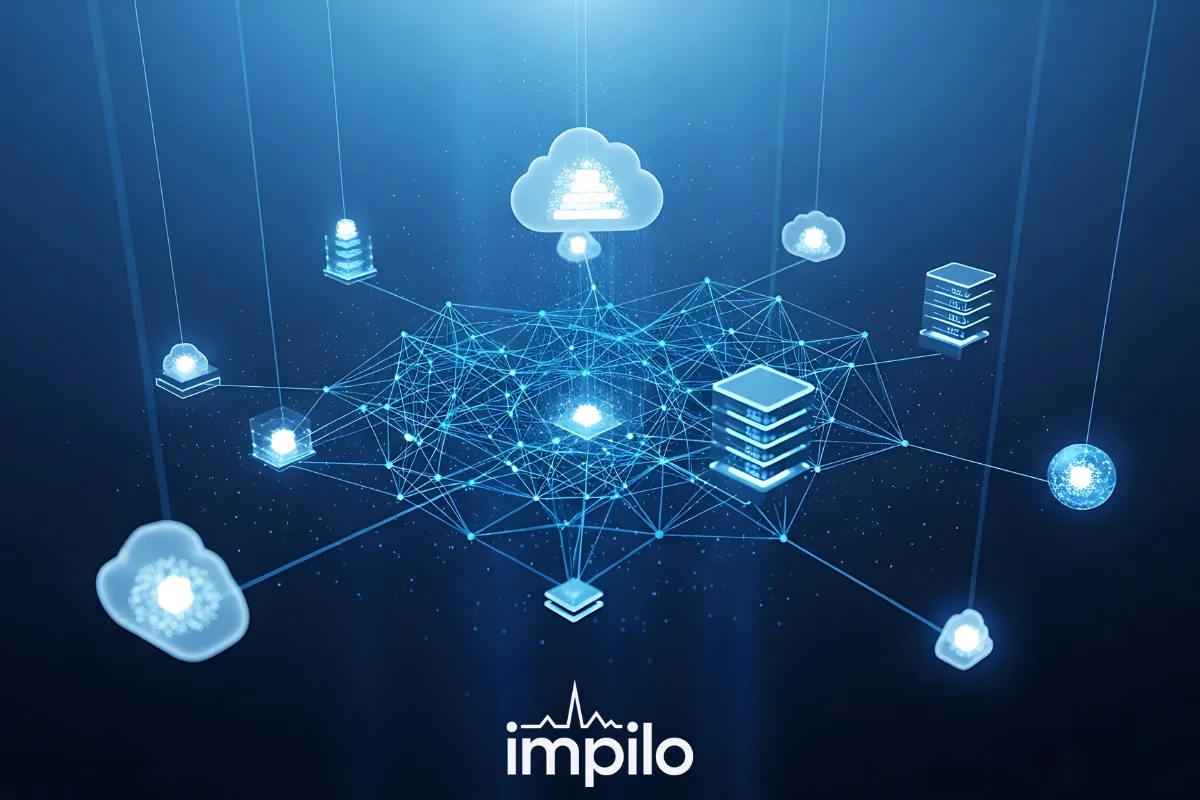
Impilo surfaces that data in a unified platform view, giving teams the visibility to intervene early, forecast accurately, and report on program performance with confidence.
2. Integration Layer
No care program operates in isolation. Impilo connects with EHRs, RPM software platforms, and care management tools to create a unified operational workflow — eliminating the manual handoffs and data gaps that slow programs down and introduce risk.
This integration layer is what separates a true digital health infrastructure platform from a collection of disconnected point solutions.
3. Patient Onboarding
The best device in the world doesn't generate data if the patient can't activate it. Onboarding friction is one of the leading causes of poor engagement in remote patient monitoring programs and virtual care platforms alike.
Impilo's onboarding support helps patients confidently engage with their care program from day one, reducing the support burden on clinical staff and improving long-term program adherence.
4. Logistics Orchestration
Devices and supplies need to reach patients on time, every time. Whether that's a cellular RPM device shipped directly to a patient's home or a resupply triggered automatically by a program milestone, medical device logistics is a core operational function — not a nice-to-have.
Impilo handles fulfillment end-to-end, so care teams aren't managing shipping exceptions or chasing tracking numbers. Programs scale without the operational drag.
5. Device Lifecycle Management
Devices don't disappear when a patient's program ends. They need to be retrieved, inspected, refurbished, and redeployed. Without a systematic approach to patient device provisioning and retrieval, device costs compound and program economics erode.
Impilo tracks every device across its full lifecycle — from initial shipment through return and reuse — protecting the unit economics that make RPM programs sustainable.
What High-Performing Organizations Do Differently
They don't treat operations as an afterthought. They don't wait until scale exposes the gaps. They make a deliberate decision early: to build infrastructure that can support the program they're trying to run — not just the one they're running today.
When evaluating RPM platforms or virtual care platform vendors, the most sophisticated buyers are asking harder operational questions before launch:
Where does the data live, and who can see it in real time?
What does the patient experience look like on day one?
How will devices be tracked across thousands of patients?
Who owns the retrieval and redeployment process?
Organizations that build on Impilo don't just answer these questions — they get a platform designed to handle this complexity as a core function, not an edge case.
Impilo: The Unified Platform for Device-Enabled Care
Impilo is purpose-built for the operational demands of modern care delivery. Whether you're running a remote patient monitoring program, scaling a virtual care platform, or building distributed care infrastructure across multiple sites, Impilo provides the backbone that makes execution reliable.
That means:
Real-time visibility across your entire device program
Seamless integration with your existing RPM software and care tools
Patient device provisioning and onboarding support
End-to-end medical device logistics and fulfillment
A lifecycle management system that protects device economics at scale
This isn't a feature list. It's a platform built around the operational reality of what it takes to run high-performing care programs in 2026.
The Future of Care Is an Execution Problem
New care models will keep emerging. New devices, new reimbursement pathways, new patient populations, new RPM software entrants. The organizations that win won't necessarily have the most innovative clinical protocols.
They'll have the infrastructure to execute on them — consistently, at scale, without breaking.
That's what Impilo is built for. Not just to support the programs you're running today, but to scale with the ones you haven't launched yet.
Interested in learning how Impilo supports your care delivery infrastructure? Learn about Impilo's unified platform.
FAQ
Q: What's the difference between an RPM platform and care delivery infrastructure?
A: An RPM platform captures and surfaces clinical data — vitals, alerts, trends. Care delivery infrastructure is the operational layer that makes the RPM program actually function: getting devices to patients, onboarding them, tracking devices across their lifecycle, and connecting systems into a unified workflow. The best remote patient monitoring vendors offer both, or integrate cleanly with a platform like Impilo that handles the operational side.
Q: How does medical device logistics impact patient outcomes in virtual care programs?
A. When device fulfillment is delayed or onboarding is confusing, patients either start late or disengage entirely — and you lose the data that makes the program clinically valuable. Strong medical device logistics and patient device provisioning directly affect enrollment velocity, engagement rates, and ultimately the outcomes data your program depends on to demonstrate value.
Q: What should I look for when evaluating remote patient monitoring vendors?
A. Most vendor comparisons focus on clinical features — dashboards, alert thresholds, EHR integrations. Those matter, but the operational questions are equally important: How does the vendor handle device fulfillment and returns? What does patient onboarding look like? Can you get real-time visibility into your device program? Organizations that evaluate on operational infrastructure alongside clinical capability end up with programs that scale without breaking.