
What is Remote Patient Monitoring?
Remote Patient Monitoring (RPM) is a healthcare model that uses digital technologies to remotely track and collect patients’ medical and health-related data. This innovative approach, a subset of telehealth, is designed to continue tracking healthcare data for patients even after they have been discharged from a healthcare facility or a program started by their physician.
RPM empowers healthcare providers to access and analyze vital signs and other health metrics in real-time, being able to have more accurate informaiton and make timely care decisions.
RPM Devices in Chronic Care
RPM utilizes a range of devices to collect health data from patients. These include blood pressure and heart rate monitors, blood glucose meters, smart inhalers for respiratory conditions like asthma and COPD, smart scales, apnea monitors, and maternity care monitors. Wearables have also been on an upward trend in popularity to manage physical activity, sleep, and other vital signs. See below the breakdown of common chronic conditions and their devices.
1. Hypertension (High Blood Pressure)
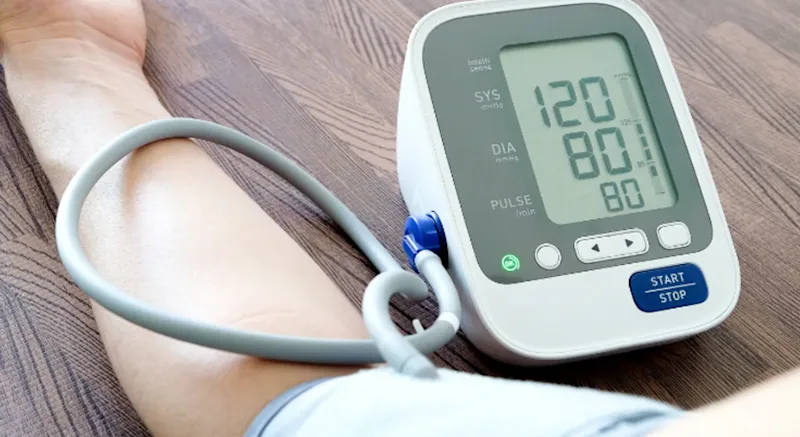
Hypertension is one of the most prevalent chronic conditions managed via RPM. These devices can transmit readings automatically, and the readings help providers titrate medications and identify lifestyle issues in near real-time. Integration with EHRs and mobile apps also encourages patient engagement.
RPM Device: Bluetooth-enabled and LTE blood pressure monitors
Popular Devices:
2. Diabetes (Type 1 & 2)
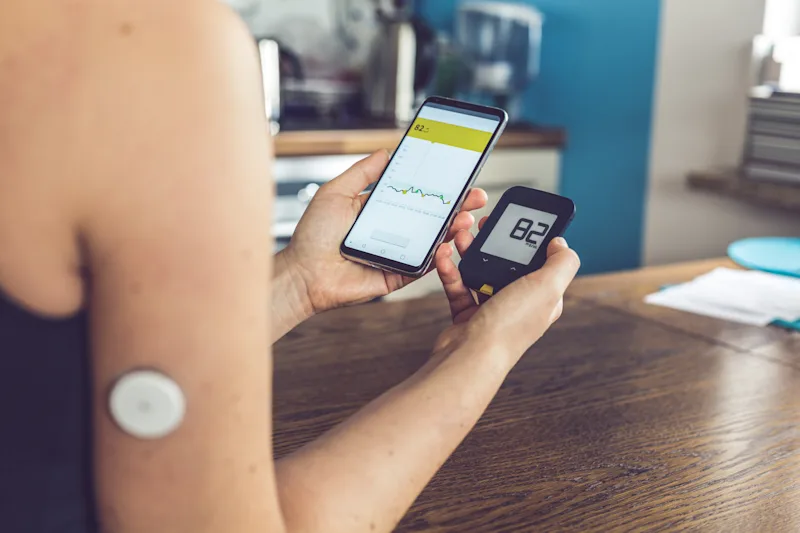
Monitoring glucose levels is critical for diabetes management. RPM programs often use CGMs like Dexcom, which continuously transmit glucose levels and allow care teams to spot hyper- or hypoglycemia trends. For patients who prefer fingerstick devices, Bluetooth-capable meters such as iGlucose provide a simpler yet effective alternative, especially for Type 2 diabetics not using insulin.
RPM Device: Glucose meters and Continuous Glucose Monitors (CGMs)
Popular Devices:
3. Congestive Heart Failure (CHF)
In Congestive Heart Failure, monitoring fluid retention and oxygen saturation is critical. Scales are great for detecting early signs of fluid buildup. They are often paired with pulse oximeters to assess blood oxygen levels.
RPM Device: Weight scales, pulse oximeters, and sometimes implantable sensors
Popular Devices:
4. COPD (Chronic Obstructive Pulmonary Disease)
For COPD, oxygen saturation and lung function are tracked regularly. Bluetooth-enabled pulse oximeters, like those, allow for oxygen level tracking, while spirometers can measure FEV1 and peak flow, giving a clearer picture of lung function trends. These metrics help providers adjust inhaler regimens and intervene during exacerbations.
RPM Device: Pulse oximeters, spirometers
Popular Devices:
5. Obesity and Metabolic Syndrome
For patients managing obesity, RPM devices offer data on weight, body composition, and activity levels. These are often part of a broader metabolic monitoring strategy to reduce the risk of comorbidities like diabetes and cardiovascular disease.
RPM Device: Connected weight scales and activity trackers
Popular Devices:
The Process of RPM
The RPM process begins when a healthcare provider determines that a patient would benefit from remote physiologic monitoring. With the patient's consent, the provider enrolls the patient into an RPM program. Once these devices are set up, they capture the patient's health data, which is transmitted electronically to the healthcare provider.
The provider analyzes this data and offers the patient personalized health guidance, recommendations, and instructions based on the results. This continuous loop of data collection, analysis, and feedback allows for early intervention in case of abnormalities, helping to prevent complications and improve patient outcomes.
Benefits of RPM in Chronic Disease Management
Enhanced Monitoring and Early Intervention
One of the most significant benefits of Remote Patient Monitoring (RPM) in chronic disease management is its ability to enhance monitoring and facilitate early intervention. With RPM, changes in a patient's health status can be identified and tracked in real time, enabling timely interventions that prevent rapid health deterioration. This real-time data empowers care teams to stay proactive in managing patient symptoms and developing effective treatment plans, addressing clinical conditions before they escalate.
Increased Patient Engagement and Satisfaction
RPM plays a key role in boosting patient engagement and satisfaction. By providing patients with easy-to-use, condition-specific tools, RPM helps improve self-management and adherence to care plans. This empowerment encourages patients to take an active role in their health, leading to better health outcomes and increased satisfaction.
Moreover, RPM facilitates more efficient communication between patients and healthcare providers, further enhancing the overall patient experience.
Cost-Effectiveness
The adoption of RPM in chronic disease management has proven to be highly cost-effective. By reducing unnecessary hospital admissions, emergency department visits, and readmissions, RPM significantly lowers the overall cost of care.
It allows acute and chronic care monitoring to be shifted into the home, minimizing the high costs associated with inpatient services. Additionally, RPM aids in diverting emergency department visits and enabling earlier acute discharges, resulting in shorter hospital stays and reduced healthcare expenditures.
Conclusion
RPM transforms chronic disease management by enabling continuous, real-time care beyond clinic or virtual care walls. With improved outcomes, cost savings, and stronger patient-provider connections, RPM represents a leap toward more proactive, personalized healthcare.
Adopting this technology marks a significant step towards a more efficient, patient-centric, and cost-effective healthcare system.