Why Remote Monitoring is Critical for Gestational Diabetes
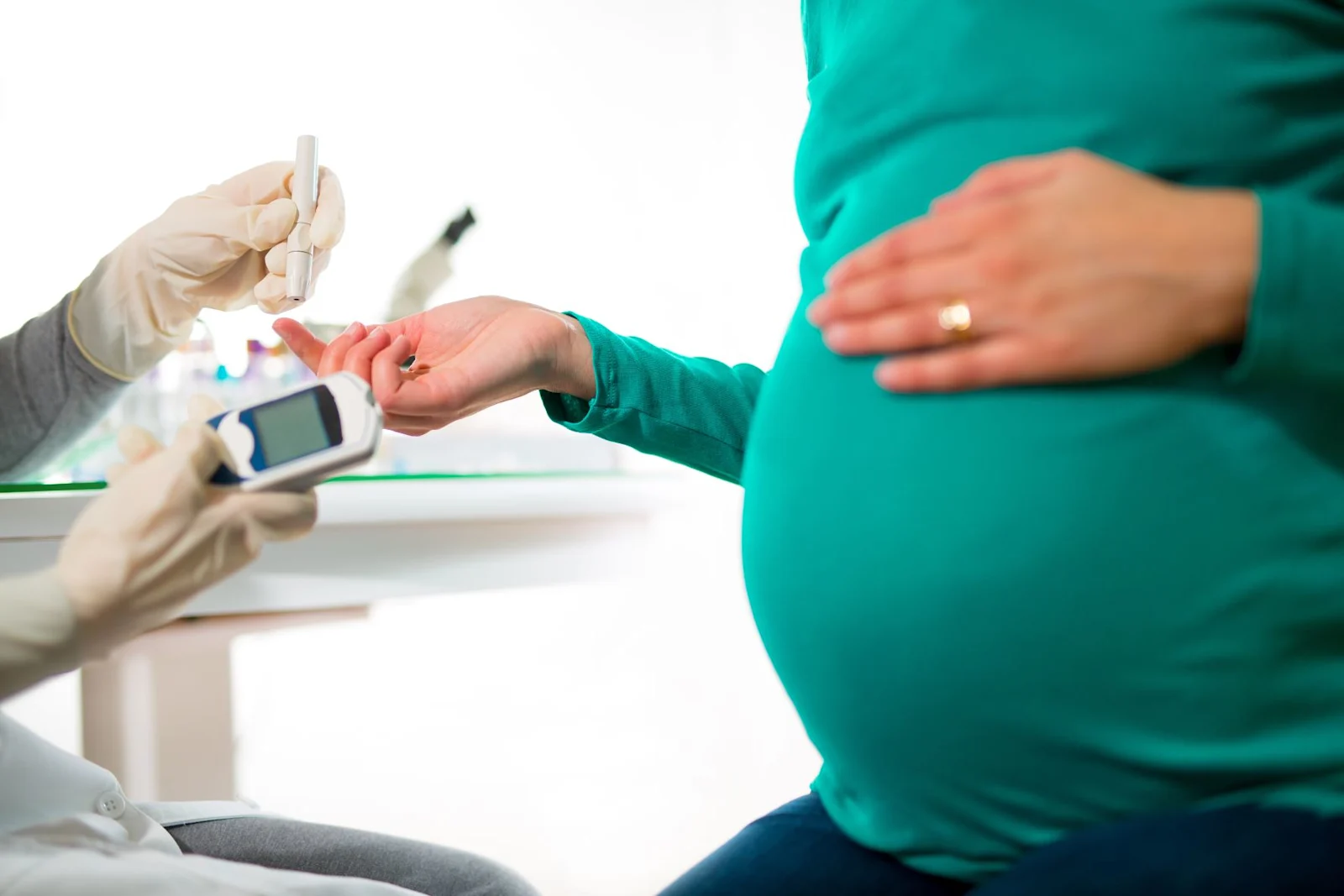
Gestational diabetes affects up to 9.2% of pregnancies and requires careful blood glucose management to prevent complications. Implementing remote patient monitoring should be standard practice for expectant mothers with diabetes due to its numerous benefits in managing this condition.
Traditionally, gestational diabetes is monitored by periodic office visits where finger stick blood tests are conducted. However, this approach lacks real-time visibility, meaning blood sugar highs and lows between visits can go unnoticed, potentially leading to emergencies if left untreated. Remote monitoring addresses this gap by catching these fluctuations before they become emergencies, allowing physicians to intervene promptly.
Advantages of Remote Monitoring
Real-Time Monitoring with Continuous Glucose Monitors (CGMs)
Systems like continuous glucose monitors (CGMs) enable pregnant women and their healthcare providers to view real-time blood sugar readings on demand via smartphones. These devices communicate unexpected spikes or dips instantly, allowing for quick clinical interventions such as diet adjustments or insulin dosing. This real-time data is crucial for maintaining stable blood glucose levels and preventing complications.
Comprehensive Data Analysis
The 24/7 data provided by CGMs allows doctors to better analyze the impacts of exercise, nutrition, and medication on glucose control. This continuous stream of information supports more informed therapy optimizations, helping to keep expectant mothers in tight glycemic control without the need for frequent office visits. By understanding how different factors affect blood sugar levels, healthcare providers can make more precise adjustments to treatment plans.
Health Benefits
Reduced Maternal Complications
The enhanced visibility and glycemic control achieved through remote monitoring significantly reduce the risks of maternal complications such as preeclampsia. Preeclampsia is a potentially dangerous pregnancy complication characterized by high blood pressure and signs of damage to another organ system, often the kidneys. By maintaining better control of blood sugar levels, the likelihood of developing such complications is diminished.
Improved Neonatal Outcomes
Remote monitoring also lowers the risks of neonatal complications, such as macrosomia (excessive birth weight) and neonatal hypoglycemia (low blood sugar). Proper glucose management ensures that the fetus develops healthily and reduces the chances of requiring a cesarean delivery due to large fetal size.
Convenience and Efficiency
Enhanced Patient Convenience
For expectant mothers, remote monitoring offers the convenience of fewer office visits while still maintaining high-quality care. This is especially beneficial for those with busy schedules, transportation issues, or other barriers to frequent clinic visits. The ability to monitor and manage blood sugar levels from home reduces stress and allows for a better overall pregnancy experience.
Quick Response to Emergencies
In cases where blood sugar levels become dangerously high or low, remote monitoring systems enable immediate notifications to both the patient and their healthcare team. This rapid response capability can prevent emergencies, providing a safety net that traditional periodic monitoring cannot offer.
For women with gestational diabetes, remote monitoring delivers vital data for tight blood sugar management and helps mitigate emergencies between prenatal visits. The improved outcomes and convenience of remote glucose monitoring demonstrate why it should be the standard of care. By offering real-time data, facilitating informed treatment adjustments, and reducing risks of complications, remote monitoring enhances both maternal and neonatal health, ensuring safer and healthier pregnancies.