
Navigating the Challenges of Remote Patient Monitoring: A Comprehensive Guide for Healthcare Practices

Remote Patient Monitoring (RPM) has emerged as a transformative technology in healthcare, promising to revolutionize patient care. The path to successful RPM implementation is often complex, requiring practices to navigate multiple intricate challenges with strategic thinking and careful planning.
Understanding the RPM Landscape
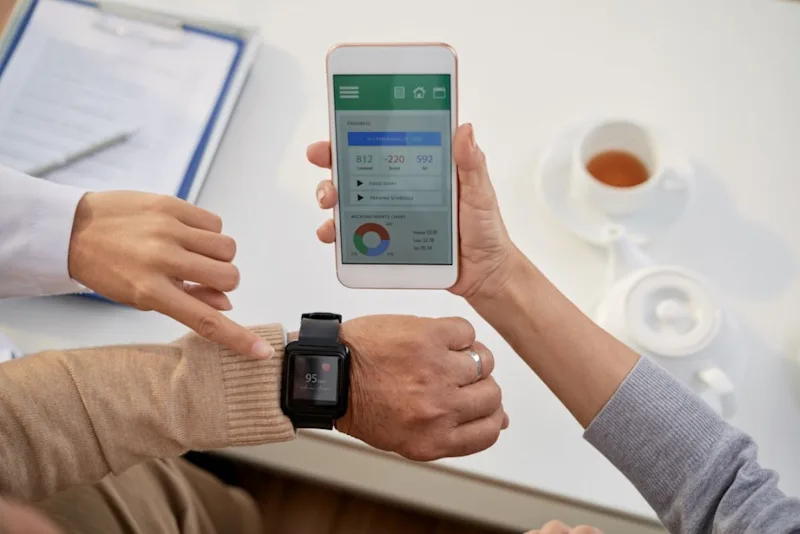
Remote Patient Monitoring represents more than just a technological trend—it is a strategic approach to healthcare that extends medical care beyond traditional clinical settings. This innovative approach empowers patients to take an active role in their health management, providing real-time health insights that can dramatically improve patient outcomes. By enabling continuous monitoring, RPM helps reduce unnecessary hospital readmissions and has the potential to lower overall healthcare costs.
Key Challenges in RPM Implementation
Technology Integration Hurdles
Problem: Healthcare practices frequently encounter significant technical obstacles when adopting RPM. Device compatibility issues can create substantial roadblocks, with practices struggling to integrate various monitoring technologies into their existing systems. The complexity of system interoperability often presents a steep learning curve for medical staff, who must quickly adapt to new technological platforms.
Solution: To address these challenges, practices must conduct thorough technology assessments and seek partnerships with vendors offering comprehensive integration support. Investing in staff training and prioritizing platforms with robust security protocols and seamless Electronic Health Record (EHR) integration can help mitigate these initial technological barriers.
Workflow Transformation
Problem: Implementing RPM requires fundamental changes to existing practice workflows, which can be disruptive and challenging. Practices must redesign patient onboarding processes, create efficient data management systems, and develop new communication protocols—all while minimizing disruption to current care models.
Solution: In order to have a successful workflow transformation, practices must develop clear, step-by-step implementation protocols and create dedicated RPM teams to manage the transition. A phased rollout strategy allows for gradual adaptation, helping to reduce resistance and improve overall implementation success.
Financial Considerations
Problem: The financial aspects of RPM can be particularly daunting for healthcare practices. High upfront technology costs, training expenses, and complex reimbursement landscapes create uncertainty about potential return on investment. Many practices find themselves hesitant to invest in RPM technologies due to these financial challenges.
Solution: Leading medical practices are achieving significant financial success with RPM programs. By leveraging reimbursement options, improving patient outcomes, and utilizing grants and incentives, these practices are realizing substantial revenue increases and establishing a strong foundation for sustained financial growth. Scalable solutions like Impilo further enhance profitability by mitigating initial financial concerns.
Patient Engagement and Adoption
Problem: The success of any RPM program ultimately depends on patient participation. Many patients experience technology intimidation, lack understanding about RPM benefits, and may resist changes to their healthcare routine. Varying levels of digital literacy can further complicate engagement efforts.
Solution: Choosing an RPM company that can take the burden of patient enrollment, engagement, and device expertise can open your team up for what is important–patient care.
Building a Successful RPM Strategy
Step 1: Identify Your Program’s Purpose
What is the purpose of your program?
What is the goal outcome of your program? Is it to reduce hospital admissions?
Step 2: Identify Your Patient Population
Is your program targeting a specific chronic condition?
Do you want to make an impact in a particular geographical region?(i.e. rural areas to combat long travel times for office visits.)
Types of insurance coverage? (i.e. Medicare vs Medicaid vs value based care.)
Step 3: Device Selection
How will you measure and track your patients’ progress? Keep your program goal in mind when making this decision.
Consider cellular vs. Bluetooth devices
Step 4: Identifying Your Workflow
How will your patients receive their devices?
Support workflows to think about: tech support, logistics support, clinical workflow, etc.
Step 5: Billing for your program
Be knowledgeable on the current CPT codes for remote monitoring and ensure proper documentation: 99453, 99454, 99457, and 99458.
The Path Forward
While challenges exist, the potential of RPM to transform healthcare delivery remains immense. Practices that approach implementation strategically, with patience and a commitment to continuous learning, can successfully navigate these obstacles. RPM is not merely about technology—it represents a fundamental reimagining of patient care, creating a more responsive, efficient, and patient-centered healthcare experience. By embracing these challenges as opportunities for innovation, healthcare practices can revolutionize their approach to patient care and unlock new possibilities in healthcare delivery.
To learn more about how Impilo can address all of these challenges and more, please reach out to our sales team at sales@impilo.health.