Remote Patient Monitoring for Maternal Health: A Solution for Managing High-Risk Pregnancies

Pregnancy is a journey in one's life that brings joy, anticipation, and excitement. However, it can also come with its own set of challenges, especially for expecting mothers who develop high-risk conditions. Maternal health issues such as gestational diabetes, preeclampsia, and other complications can pose significant risks to both the mother and the baby. These conditions often require extensive monitoring, frequent medical check-ups, and sometimes even hospitalization, which can be stressful and inconvenient for expecting mothers and families.
In recent years, technological advances have allowed innovative solutions to be incorporated into healthcare delivery to make care more accessible and manageable. One solution is Remote Patient Monitoring (RPM). This technology is transforming how we manage high-risk pregnancies, offering providers the ability to monitor expecting mothers' health conditions from the comfort of their homes. In this blog, we will discuss the challenges faced in maternal health, the limitations of traditional monitoring methods, and how RPM is changing the narrative for expecting mothers.
The Challenges in Maternal Health
It is important to treat maternal health conditions in real time as high-risk conditions can pose a threat to both Mother and baby. Pregnant patients are at a higher risk for more severe disease, hospitalization, and death compared to age-matched, noninfected counterparts (Villar et al. 2021). Common high-risk conditions can often include:
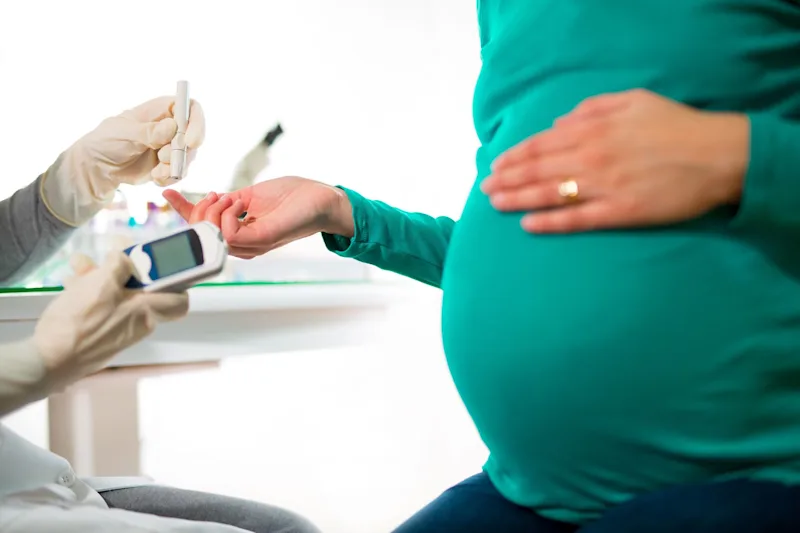
Gestational diabetes is a type of diabetes that develops during pregnancy and affects about 6-9% of pregnant women. This condition occurs when the body cannot produce enough insulin to regulate blood sugar levels effectively, leading to hyperglycemia (high blood sugar).
Preeclampsia
Preeclampsia is a pregnancy complication characterized by high blood pressure and signs of damage to other organ systems, most commonly the liver and kidneys. It typically occurs after 20 weeks of pregnancy and can progress rapidly.
Preterm Labor
Preterm labor occurs when regular contractions result in the opening of the cervix after week 20 and before week 37 of pregnancy. This can lead to premature birth, which comes with its own set of health challenges for the newborn.
Traditional Monitoring Methods
Managing high-risk pregnancies traditionally involves a combination of frequent medical check-ups, hospital admissions, bed rest, and manual monitoring by the patient. Traditional approaches to managing these conditions often include:
Frequent In-Office Visits
Expecting mothers with high-risk conditions often need to visit their healthcare providers more frequently than those with low-risk pregnancies. These visits typically involve:
Routine blood pressure measurements
Blood tests to monitor glucose levels, liver function, and kidney function
Read our article on Most Accurate Glucometers of 2024 →
Ultrasounds to check fetal growth and development
Non-stress tests to monitor the baby’s heart rate
While essential for ensuring the health of the mother and baby, frequent clinic visits can be time-consuming and stressful.
Hospital Admissions
In severe cases, expecting mothers may require hospitalization for continuous monitoring and management. This is particularly common for conditions like severe preeclampsia or when there is a risk of preterm labor. An estimated 11% of all pregnant women require daily monitoring at some point during pregnancy because of complications, leading to hospital admission. Hospitalization allows for:
Continuous blood pressure and glucose monitoring
Immediate medical interventions if complications arise
Close fetal monitoring
However, extended hospital stays can be disruptive to daily life, lead to increased healthcare costs, and contribute to anxiety and stress for both Mothers and their families.
Manual Record-Keeping
Patients are often required to manually record their health data, such as blood pressure readings, blood sugar levels, and fetal movement counts. This manual approach has several drawbacks:
Inaccuracy: Manual recording is prone to errors and may not always provide an accurate picture of the patient’s health status.
Inconvenience: Keeping track of various health metrics can be burdensome for expecting mothers, especially those managing multiple conditions.
Lack of Real-Time Data: Manual records do not provide real-time data to healthcare providers, potentially delaying necessary interventions.
The Solution: Remote Patient Monitoring (RPM)
What is Remote Patient Monitoring (RPM)?
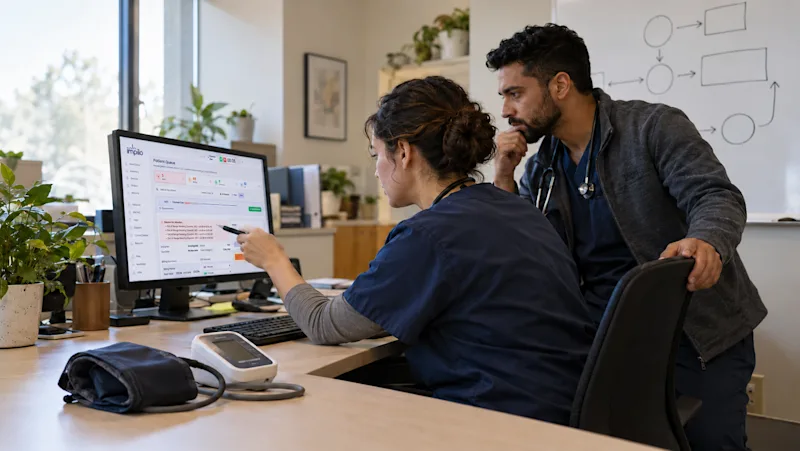
Remote Patient Monitoring (RPM) uses digital technologies to collect medical data from connected devices, supplies, and sensors from patients' locations to healthcare providers in different locations for assessment and recommendations. RPM includes various devices such as wearable sensors, mobile apps, and other digital tools that continuously monitor a patient’s health status.
How RPM Benefits Maternal Health
Continuous Monitoring: RPM allows for constant and real-time monitoring of vital signs such as blood pressure, glucose levels, and fetal heart rate. This data can help detect early signs of complications and allow for timely interventions.
Convenience and Comfort: Expecting mothers can monitor their health from the comfort of their homes, reducing the need for frequent clinic visits and hospital stays. This convenience can significantly reduce stress and improve overall well-being.
Improved Accuracy: Digital monitoring tools can provide more accurate and consistent data compared to manual record-keeping. This improved accuracy can lead to better management of conditions and more effective treatment plans.
Cost-Effective: By reducing the need for hospital admissions and frequent clinic visits, RPM can lower healthcare costs for expecting mothers and the healthcare system as a whole.
Empowerment and Education: RPM tools often come with educational resources and support, empowering expecting mothers to better understand and manage their health conditions.
Remote Patient Monitoring is changing healthcare delivery for expecting mothers with high-risk conditions By providing continuous, accurate, and convenient monitoring, RPM empowers expecting mothers to take control of their health. As technology advances, RPM will continue to play a vital role in managing high-risk pregnancies, improving outcomes for both mothers and their babies. Embracing RPM in maternal healthcare is not just about leveraging technology; it’s about creating a supportive and proactive environment where expecting mothers feel cared for and confident throughout their pregnancy journey. With RPM, and help from Impilo the future of maternal health looks promising, paving the way for healthier pregnancies and happier families.
Interested in learning how you can implement RPM in your maternal health care delivery? Contact us today! sales@impilo.health | www.impilo.health