
Scaling Kidney Care Beyond the Clinic: Devices, Data, and Infrastructure for CKD Monitoring
Kidney Care Is Expanding Beyond the Clinic
National Kidney Month brings attention to a growing reality: Chronic kidney disease (CKD) affects about 800 million adults, worldwide. The prevalence has continued to rise, doubling numbers recorded in 1990.
As health systems shift toward value-based care and prevention-focused models, nephrology programs are increasingly investing in remote monitoring strategies to:
Identify deterioration earlier
Reduce avoidable hospitalizations
Improve blood pressure and fluid management
Increase patient engagement
Expand access to nephrology services
Remote patient monitoring (RPM) for chronic kidney disease is becoming foundational. In scaling CKD monitoring, programs require more than connected devices, it also requires the appropriate infrastructure.
The Growth of Remote Monitoring in CKD
Effective CKD management often depends on tracking key health indicators such as:
Blood pressure
Weight and fluid retention
Heart rate
Medication adherence
Symptom trends
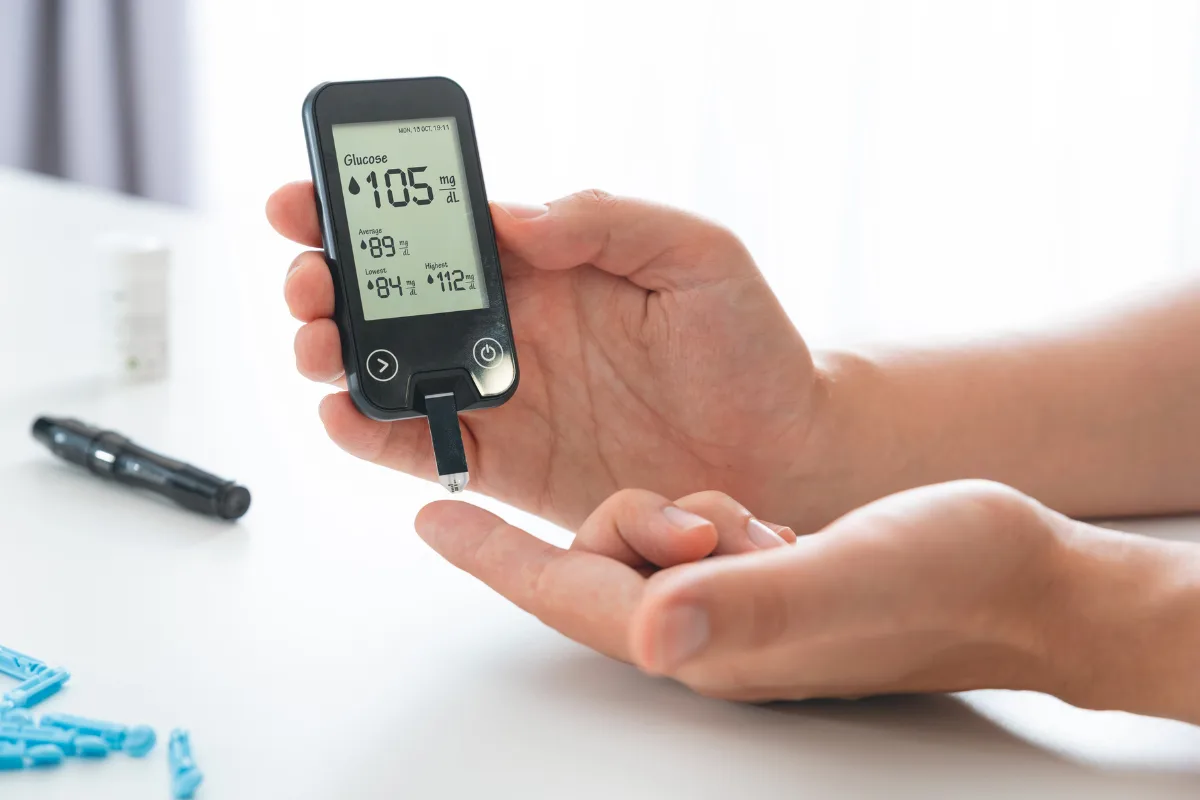
Remote kidney monitoring devices, including connected blood pressure cuffs, digital scales, glucometers, and other RPM tools, give care teams visibility between appointments.
That visibility supports:
Early intervention
Medication adjustments
Risk stratification
Improved longitudinal care
However, many nephrology programs quickly discover that device distribution alone does not equal a scalable RPM strategy. Once a device is shipped, operational complexity begins.
The Operational Reality of CKD Monitoring Programs
As CKD programs grow, organizations must manage:
Device procurement across multiple vendors
Patient-specific device kitting
Fulfillment and shipping
Returns and device recovery
Replacement workflows
Inventory forecasting
Data ingestion from multiple device types
Without a unified system, teams often rely on:
Manual spreadsheets
Disconnected tracking systems
Vendor-specific dashboards
Reactive replacement processes
These inefficiencies can lead to:
Lost or unreturned devices
Delayed onboarding
Gaps in monitoring
Increased operational overhead
Poor patient experience
In short, virtual care programs stall when logistics and data systems aren’t aligned.
Why Healthcare 3PL Matters for Nephrology
Healthcare 3PL (third-party logistics) designed for medical programs plays a critical role in scalable CKD monitoring.
Unlike standard fulfillment providers, healthcare-focused logistics partners support:
Serialized device tracking
Regulatory-compliant handling
Patient-specific packaging
Structured reverse logistics
Device refurbishment workflows
Multi-device coordination
As CKD programs expand across regions, centralized healthcare 3PL infrastructure enables:
Faster patient onboarding
Reduced device loss
Improved inventory visibility
Lower administrative burden
Predictable operational costs
This visibility into logistics is a core enabler of continuous care.
Device Tracking: The Missing Layer in Many CKD Programs
One of the most common operational blind spots in CKD monitoring is device visibility.
Many organizations cannot confidently answer:
Where is each device right now?
Which patients are actively transmitting data?
Which devices are idle?
What inventory is available?
Which units need servicing or redeployment?
A healthcare device tracking platform provides real-time visibility across the entire device lifecycle:
Warehouse
In transit
In patient use
Returned
Being refurbished
Ready for redeployment
When nephrology organizations treat monitoring devices as managed assets rather than one-time shipments, they gain operational control. That control enables scale.
Integrating RPM Data Into Nephrology Workflows
Remote kidney monitoring devices generate valuable data. But that data must integrate seamlessly into care delivery systems.
Without API integration, teams face:
Manual data reconciliation
Fragmented dashboards
Delayed interventions
Increased staff workload
Modern CKD monitoring infrastructure includes API connectivity that allows:
Device data ingestion into nephrology platforms
Integration with EHR/EMR systems
Automated alerts for abnormal readings
Unified reporting across patient populations
When logistics data (device location, inventory status) and clinical data (vitals, trends) are connected, care teams gain a complete operational and clinical view.
That unified visibility supports:
Proactive outreach
Risk-based intervention
Improved documentation
Stronger performance in value-based care models
Infrastructure as a Strategic Advantage in CKD
As CKD prevalence grows, nephrology organizations are competing on clinical expertise and operational execution.
Programs that invest in:
Reliable device sourcing
Healthcare 3PL infrastructure
Real-time asset tracking
Integrated RPM data pipelines
API-enabled interoperability
Are positioned to:
Scale across geographies
Expand patient panels
Improve adherence
Reduce avoidable admissions
Demonstrate measurable outcomes
Infrastructure is becoming a competitive differentiator. The ability to coordinate devices, logistics, and data seamlessly will define which CKD programs grow sustainably.
National Kidney Month: A Time to Evaluate Readiness
March is National Kidney Month, and it calls attention to prevention, awareness, and early detection. For operators and healthcare leaders, it should also prompt the question of:
“Is our CKD monitoring infrastructure built to scale?”
Because chronic kidney disease management is no longer limited by diagnostic capability.
It is limited by how efficiently organizations can:
Deploy remote kidney monitoring devices
Track and manage assets
Integrate data into workflows
Support patients consistently between visits
Chronic care is operational. Scalable CKD programs are built on infrastructure designed for continuous, connected care.