Remote Patient Monitoring (RPM) has emerged as a vital component of telehealth, offering a reliable and cost-efficient way to extend care beyond traditional clinical settings and into the home. Following the COVID-19 pandemic, the adoption of RPM programs has significantly increased, driven by the need to continue delivering care while minimizing in-person interactions. As healthcare providers and technology companies implement RPM into their care delivery, devices and trends are starting to shape the monitoring market.
What is Remote Patient Monitoring?
Remote Patient Monitoring involves the use of digital technology to collect health data from patients in one location and electronically transmit that information securely to healthcare providers in a different location for assessment and recommendations. RPM enables continuous monitoring and management of chronic diseases and other conditions, facilitating timely interventions and improving health outcomes.
Key Components of RPM
RPM systems typically consist of the following components:
Patient Devices:
These include various sensors and monitors that collect health data.
Data Transmission:
The collected data is transmitted to healthcare providers via secure communication channels.
Data Analysis and Feedback:
Healthcare providers analyze the data and provide feedback or adjust treatment plans as necessary.
Patient Engagement Tools:
These tools help patients understand their health data and adhere to their treatment plans.
Conditions Monitored by RPM
RPM programs can monitor a wide range of conditions, including:
Weight Changes:
Monitoring weight fluctuations can help manage conditions like heart failure and obesity.
Heart Conditions:
Devices such as ECG monitors and pulse oximeters track heart rate and oxygen levels.
Hypertension:
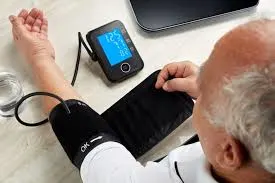
Blood pressure monitors help manage high blood pressure.
Atrial Fibrillation:
Continuous monitoring can detect irregular heartbeats.
Diabetes:
Glucose monitors track blood sugar levels.
Sleep Apnea:
Devices like CPAP machines monitor breathing patterns during sleep.
Implementation of RPM Programs
The implementation of an RPM program begins with a thorough assessment by a physician. The physician evaluates the patient's medical history, current condition, and specific needs to determine if RPM is suitable. If so, the physician and patient collaboratively design a tailored RPM program. This process may involve selecting appropriate devices, setting up data transmission methods, and scheduling regular virtual check-ins. Social determinants of health, such as access to technology and internet connectivity, are also considered to ensure the program is effective and accessible.
Emerging RPM Devices and Trends
The monitoring market is continuously evolving, with new devices and trends enhancing the capabilities and reach of RPM programs. Below are some of the most notable developments:
Wearables
Wearables are at the forefront of the RPM market. These devices, which can be worn on the body like a wristband or attached to clothing, monitor various health metrics in real time. One example is KardiaMobile 6L, an EKG device for proactive health management, allowing individuals to detect potential heart issues early Health wearables provide continuous data, which can be crucial for managing chronic conditions and maintaining overall health.Maternal Health Monitors
Maternal health monitors are another emerging trend in the RPM market. These devices are made specifically for pregnant women, providing vital information about the health of both the mother and the fetus. Maternal monitors can track metrics such as fetal heart rate, maternal blood pressure, and uterine contractions, enabling early detection of potential complications.
Advanced Data Analytics
One of the most obvious trends in the RPM market is the integration of advanced data analytics. By leveraging artificial intelligence and machine learning, remote patient monitoring systems can analyze vast amounts of data to identify patterns and predict potential health issues before they become critical. This predictive capability can lead to more proactive and personalized care. Advanced analytics also enable real-time feedback to patients and healthcare providers. This immediate access to data allows for timely adjustments to treatment plans, improving patient outcomes and reducing the risk of complications.
The Role of Infrastructure and Management
While the potential of RPM is very large, the success of these programs depends heavily on the underlying infrastructure and management. Healthcare providers must have systems in place to handle the influx of data, ensure seamless communication between devices and healthcare systems, and provide support to patients using these technologies. Healthcare organizations must collaborate closely with technology partners to ensure that the devices and systems used in virtual care programs are reliable, secure, and user-friendly. This collaboration can also drive innovation, leading to the development of new and improved RPM solutions.
At Impilo, we are excited about the advancements in the monitoring market and the potential they hold for improving patient care. As the remote patient monitoring landscape continues to evolve, we are committed to providing the infrastructure and support needed to leverage these technologies to bring healthcare home.
For more information on how to integrate RPM solutions into your practice, contact us at sales@impilo.health.