
Why Sleep Apnea Virtual Care Programs Fail: How to Fix Patient Engagement
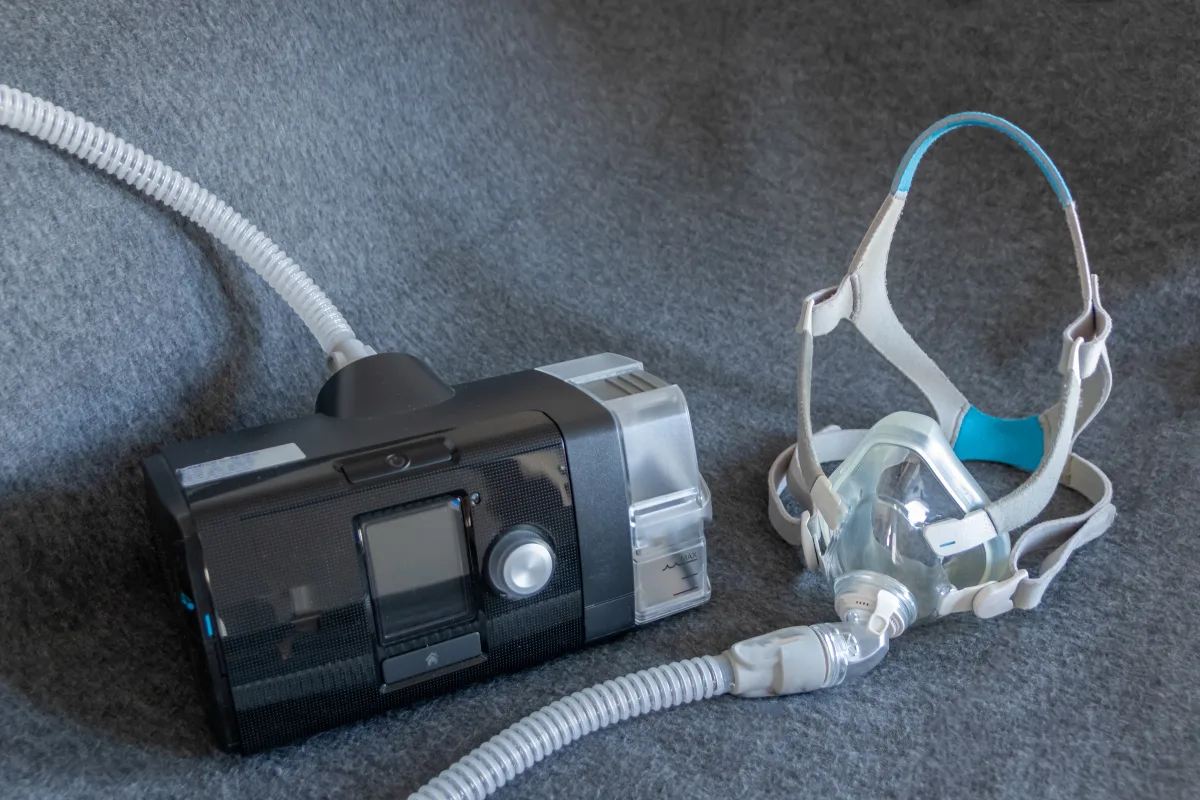
Sleep apnea affects millions of patients, yet adherence to therapy remains one of the biggest challenges in sleep medicine. Continuous Positive Airway Pressure (CPAP) therapy is clinically effective, but real-world adoption often tells a different story.
Many organizations are turning to sleep apnea RPM programs to improve outcomes through remote patient monitoring. However, deploying connected devices rarely solves the biggest problem: patient engagement.
Without the right infrastructure, visibility, and patient touchpoints, even well-designed RPM programs struggle to maintain CPAP adherence.
Here’s why many sleep apnea virtual monitoring initiatives fall short and what healthcare organizations can do to fix it.
The CPAP Adherence Problem
CPAP therapy is highly effective when patients use it consistently. But adherence remains a persistent challenge across sleep programs.
In a recent years, research indicates that adherence to CPAP therapy typically ranges from 30-60%, highlighting the significant drop-off many patients experience during treatment.
Common barriers include:
Discomfort or difficulty adjusting to the device
Lack of education on proper device use
Limited follow-up from care teams
No clear visibility into adherence progress
This is where remote patient monitoring devices for sleep apnea are meant to help by allowing providers to track usage and intervene earlier.
But virtual monitoring alone doesn’t guarantee engagement.
Why Virtual Monitoring Alone Doesn’t Solve Patient Engagement
Many sleep apnea virtual programs focus heavily on the technology layer, which is connected CPAP devices and monitoring dashboards.
While these tools provide valuable clinical data, they often miss a critical component: the patient experience between device delivery and sustained use.
In many programs, the workflow looks like this:
Device ordered
Device shipped
Data starts flowing
Providers monitor adherence
But this model assumes that patients will automatically understand how to use the device and remain motivated to continue therapy. In reality, there is a significant operational gap between shipping a device and building long-term adherence.
Without structured engagement, patients can quickly fall off track.
The Operational Gap Between Device Delivery and Sustained Use
The most fragile period in CPAP therapy is the first 30 days.
During this time, patients are adjusting to a new device, unfamiliar routines, and lifestyle changes. If questions or discomfort arise and support isn’t readily available, many patients simply stop using the device.
For virtual care programs, this creates a major challenge:
Providers may see the adherence data after drop-off has already occurred.
Closing this gap requires building engagement touchpoints throughout the patient journey.
Engagement Touchpoints That Improve CPAP Adherence
Successful sleep apnea virtual care programs extend far beyond device connectivity. They combine logistics, patient education, and automated engagement to support patients from day one.
Device Onboarding Kits
The onboarding experience sets the tone for long-term adherence.
Patients benefit from receiving clear, supportive materials that help them:
Understand how their CPAP device works
Properly fit and adjust masks
Know what to expect during the first few nights
Troubleshoot common issues
Structured device onboarding kits reduce confusion and help patients feel more confident starting therapy.
Automated Reminders and Follow-Ups
Adherence improves significantly when patients receive consistent nudges and encouragement.
Automated engagement can include:
Text or email reminders to use CPAP nightly
Educational tips for improving comfort
Check-ins during the first weeks of therapy
Alerts when usage declines
These automated touchpoints help reinforce healthy habits while reducing the manual workload on care teams.
CPAP Adherence Tracking and Patient Dashboards
Visibility into progress can be a powerful motivator.
Providing both clinicians and patients with CPAP adherence tracking dashboards enables:
Early detection of declining usage
Faster clinical interventions
Positive reinforcement when milestones are reached
When patients can see their progress and understand the benefits of therapy, they are more likely to stay engaged.
Why Real-Time Device and Data Visibility Matters
One of the biggest challenges in sleep apnea virtual care programs is data fragmentation.
If device data, patient engagement tools, and logistics systems operate in silos, care teams struggle to identify adherence risks in time.
Real-time device and data visibility allows providers to:
Monitor CPAP usage trends across populations
Identify patients who are falling below adherence thresholds
Trigger automated outreach or care team intervention
Reduce administrative overhead in monitoring programs
This level of transparency transforms virtual care from passive monitoring into proactive care management.
How Integrated Platforms Reduce Drop-Off
To scale sleep apnea virtual care programs successfully, healthcare organizations need more than connected devices. They need integrated operational infrastructure that connects every step of the patient journey.
The most effective programs combine:
Remote monitoring devices for sleep apnea
Device logistics and fulfillment
CPAP adherence tracking
Automated patient engagement
Unified data visibility for care teams
When these elements work together, providers can reduce patient drop-off, improve therapy adherence, and scale virtual sleep care programs with confidence.
The Future of Sleep Apnea Virtual Care Programs
As sleep care increasingly moves toward virtual and hybrid models, patient engagement will determine whether virtual care programs succeed or fail.
Organizations that invest in integrated engagement, logistics, and device data visibility will be better positioned to:
Improve CPAP adherence
Reduce care team workload
Expand access to sleep care
Deliver better outcomes for patients
Virtual care is only the foundation. The real impact comes from building systems that support patients every step of the way.
FAQs: Sleep Apnea Virtual Care Programs
What is a sleep apnea virtual care program?
A sleep apnea virtual care program uses remote patient monitoring devices to track CPAP usage, adherence, and therapy effectiveness outside of the clinic. These programs allow providers to monitor patient progress in real time, identify adherence issues early, and intervene when patients struggle with therapy.
Sleep apnea virtual care programs typically combine connected CPAP devices, adherence tracking dashboards, and patient engagement tools to improve long-term treatment outcomes.
How do remote monitoring devices work for sleep apnea?
Remote monitoring devices for sleep apnea collect therapy data from CPAP machines and transmit it to clinical dashboards. This data may include:
Hours of nightly CPAP use
Mask leak rates
Therapy pressure levels
Apnea-hypopnea index (AHI) metrics
How can CPAP adherence tracking improve patient outcomes?
CPAP adherence tracking allows clinicians to monitor therapy usage and identify when patients fall below recommended thresholds.
By tracking adherence data, care teams can:
Identify patients who are not using CPAP consistently
Provide targeted education or troubleshooting
Reinforce adherence milestones
Reduce long-term therapy drop-off
Why is real-time data visibility important in sleep apnea RPM programs?
Real-time visibility into device data allows providers to identify adherence issues before patients stop therapy entirely.
With integrated monitoring platforms, care teams can:
Detect declining CPAP usage quickly
Trigger automated outreach or coaching
Provide targeted clinical intervention
Reduce administrative burden in virtual care workflows
This proactive approach helps sleep programs improve outcomes while scaling virtual care delivery.