
The Impilo blog
Guides, news, and lessons from running remote care programs: devices, logistics, software, and the operations in between.
The Future of the Remote Patient Monitoring Market
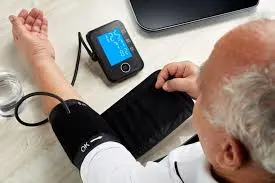
Remote Patient Monitoring (RPM) has emerged as a vital component of telehealth, offering a reliable and cost-efficient way to extend care beyond traditional clinical settings and into the home. Following the COVID-19 pandemic, the adoption of RPM programs has significantly increased, driven by the need to continue delivering care while minimizing in-person interactions. As healthcare providers and technology companies implement RPM into their care delivery, devices and trends are starting to shape the monitoring market.
May 1, 2023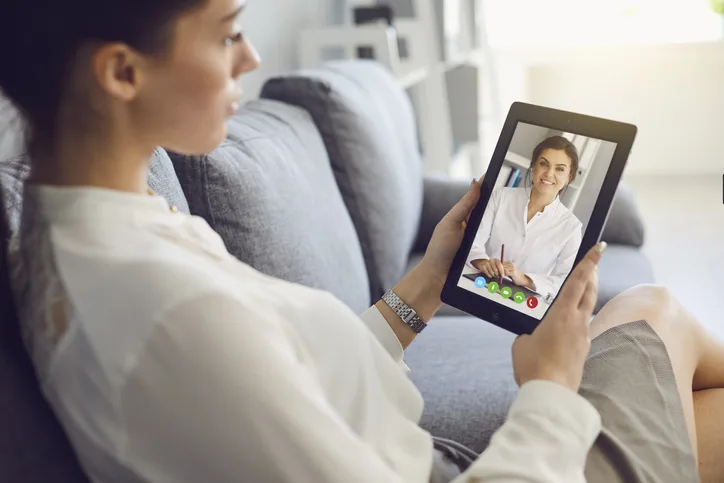
The Evolution of Telehealth
The medical market is a constantly evolving field – subject to the changing needs and demographics of patients, along with the developments of technology. As health environments change, so too must the solutions designed to prevent, relieve, and remedy. One prominent branch of medicine’s long and intricate history is telehealth, the distribution and use of remote medical services, instruction, and other care.
May 1, 2023
Impilo Partners with Memora Health
Memora Health, the leading technology platform for virtual care delivery and complex care management, today announced a partnership with Impilo, a leading remote digital health device platform that enables health systems to buy, distribute, support, and integrate digital health devices.
August 30, 2022
What to Consider When Offering Technical Support to Medicare Patients
Remote patient monitoring (RPM) has played a crucial role in addressing the clinical challenges posed by COVID-19, primarily by reducing the risk of disease transmission and providing critical health information to underserved communities. It has also improved the quality of care and patient satisfaction. Effective RPM relies on the involvement of patients, many of whom, especially Medicare recipients, may lack the necessary technical literacy to operate their devices independently. This gap is further widened by advanced age, making technical support vital.
August 16, 2022
Annual Wellness Visits: The Importance of Preventative Planning
Annual wellness visits are crucial to maintaining a healthy and happy life. In recent years, remote patient monitoring has emerged, allowing access to AWV through virtual care.
July 15, 2022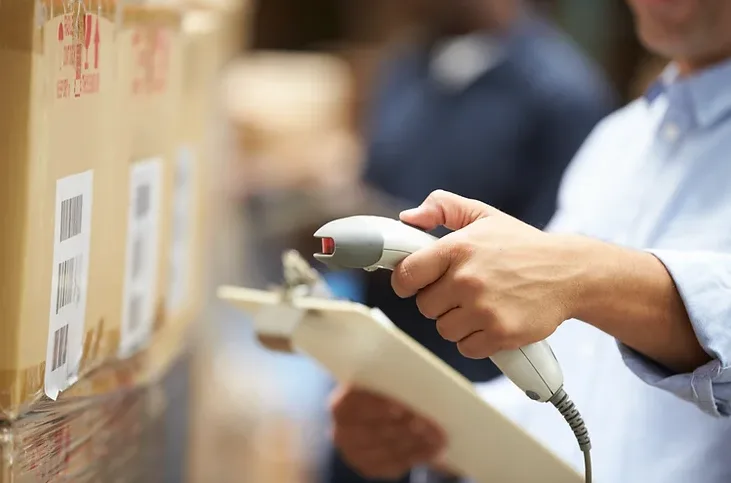
3PL X DME for Digital Health
A third-party logistics (3PL) company, otherwise known as a company that supports medical device logistics stores inventory and will pick, pack, and ship your products. 3PLs are a vital link between your operations and customers (or patients). With streamlined order fulfillment, patients receive shipments and engage efficiently, a key piece in remote health program operations. There are many 3PLs out there, and it's important to understand what you're looking for. Many 3PLs are optimized for eCommerce solutions, and it's important to ask about any special requirements your products or fulfillment requires.
May 2, 2022
5 Best Non-Continuous Smart Glucometers 2025
Connect patients seamlessly with the best LTE and Bluetooth non-continuous glucometers for remote patient monitoring. Monitor patients' blood glucose levels from the comfort of their homes with ease.
April 1, 2022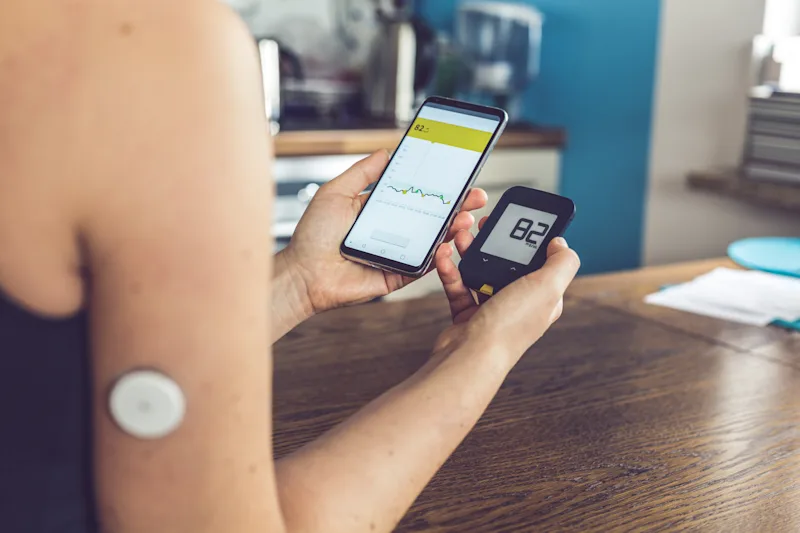
How to Choose the Best Remote Monitoring Devices
Choosing the best devices for your remote patient monitoring program can be difficult with so many variables involved. When choosing your remote monitoring devices, be mindful of the population of patients you are working with including demographics such as age and socioeconomic status. Check out Impilo's medical device kitting how-to guide for the best device for remote patient monitoring!
October 5, 2021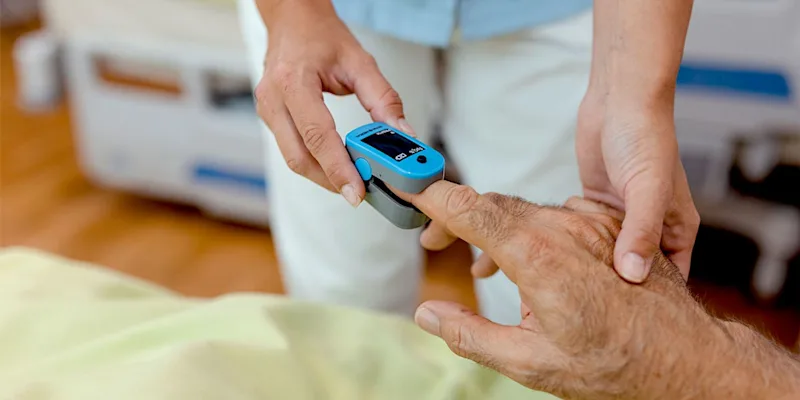
Connected Pulse Oximeters
Simplify your remote patient monitoring with smart, connected pulse oximeters. These devices help you and your patients stay connected with patient pulse rate and blood oximetry readings easily transmitted to providers or care teams.
October 4, 2021
SCHEMA REFERENCE! Deleting this WILL break your website!
A summary of the article that will be used for meta data purposes.
August 31, 1982