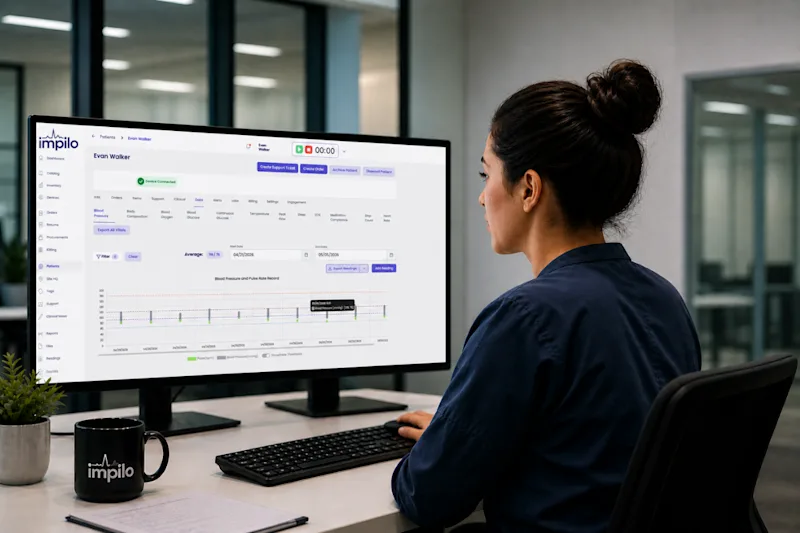
Beyond the Device: Why Infrastructure Is the Missing Link in Scalable Remote Patient Monitoring
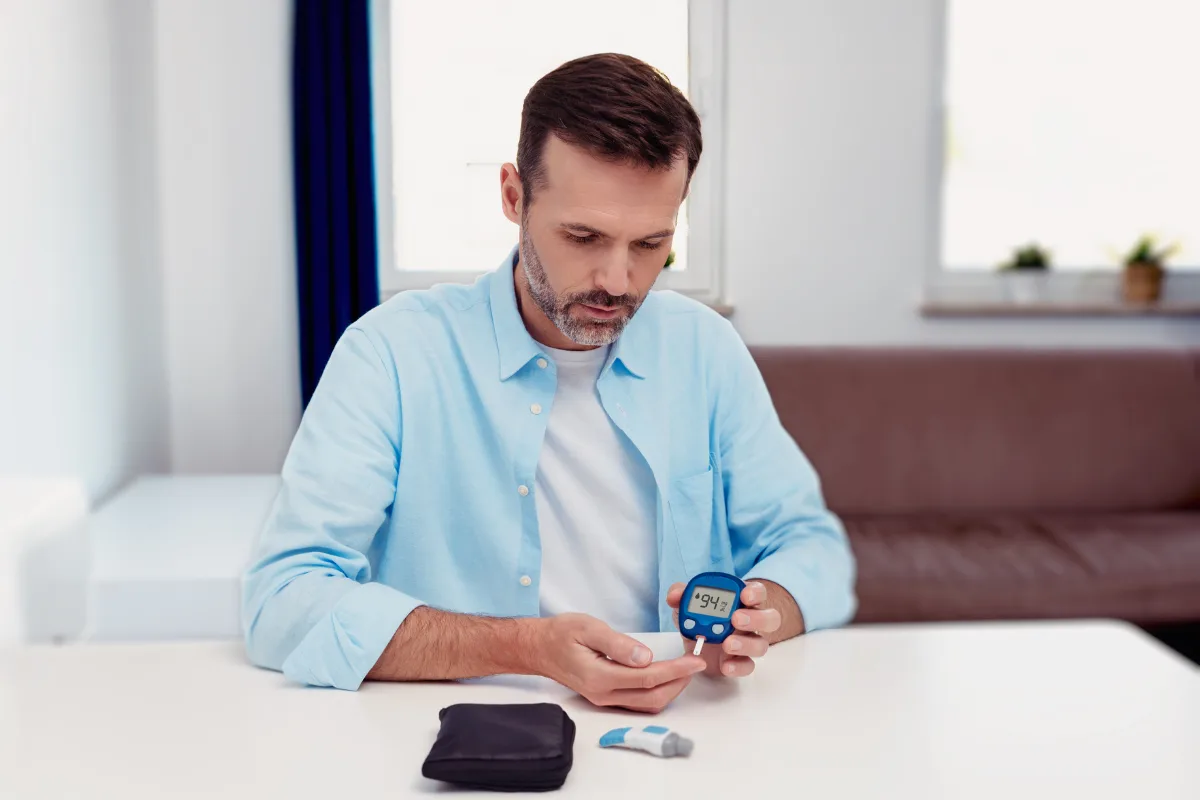
For years, remote patient monitoring (RPM) has been synonymous with the RPM device. Blood pressure monitors, cellular scales, glucometers, and pulse oximeters have become the face of virtual care, helping providers extend care beyond the four walls of the clinic.
Choosing the right RPM device is important, but it is only one piece of the equation.
As healthcare organizations scale beyond pilot programs and begin managing thousands of patients, many discover the same reality: The device was never the hard part.
The real challenge is everything that happens before, around, and after an RPM device reaches a patient's home.
As healthcare shifts toward longitudinal, distributed care models, success depends less on which remote patient monitoring device you choose and more on the infrastructure that supports the entire patient journey.
Why an RPM Device Alone Isn't Enough
Most modern RPM devices are reliable. Whether it's a cellular blood pressure monitor, weight scale, blood glucose meter, or pulse oximeter, today's remote patient monitoring devices accurately capture patient data and transmit it with minimal friction.
Even with cellular connected devices, many RPM programs still struggle with:
Delayed patient onboarding
Inventory shortages or excess stock
Manual ordering processes
Patients who never take their first reading
Care teams overwhelmed with troubleshooting
Clinicians drowning in disconnected workflows
Data flowing into multiple systems without context
None of these problems are caused by the RPM device itself. They're operational problems, and operational problems require operational infrastructure.
Infrastructure Is What Patients Never See
When patients receive an RPM device, the experience feels simple.
A package arrives.
They turn it on.
They begin monitoring.
Behind that experience there is an enormous amount of coordination.
Someone had to:
Source the correct RPM device
Configure it for the patient
Build the kit
Manage inventory
Ship it to the correct address
Track delivery
Verify activation
Guide onboarding
Troubleshoot devices
Handle returns
Sanitize and refurbish reusable equipment
Monitor patient engagement
Route support requests
Ensure clinical data reaches the care team
Each step creates an opportunity for delays, errors, or increased costs. Without standardized infrastructure, every new patient becomes another manual workflow.
Scaling RPM Means Scaling Operations
Many organizations launch remote patient monitoring successfully with a few hundred patients. Scaling to several thousand is a different challenge entirely.
As programs grow, complexity increases exponentially—not linearly.
Instead of managing dozens of RPM device shipments, teams may be coordinating thousands across multiple states, provider groups, and care programs.
Instead of supporting one device type, they may manage dozens.
Instead of one clinical workflow, they may support multiple specialties, care pathways, reimbursement models, and patient populations.
Every additional workflow introduces more opportunities for inefficiency unless supported by the right operational foundation. Infrastructure transforms these moving pieces into repeatable, scalable processes.
The Five Layers of RPM Infrastructure
Successful remote care programs rely on much more than connected devices. They require an ecosystem that supports every stage of care delivery.
1. RPM Device Lifecycle Management
An RPM device doesn't simply get shipped.
Every device must be:
Procured
Configured
Assigned
Tracked
Monitored
Returned
Refurbished
Replaced
Retired
Effective RPM device management reduces operational costs, minimizes downtime, and ensures patients always have access to the equipment they need.
2. Logistics and Fulfillment
Patients expect healthcare to feel as seamless as modern retail. That means reliable shipping, accurate inventory, proactive replacements, and visibility into every order.
Without logistics infrastructure, clinical teams often become shipping coordinators instead of care providers.
3. Patient Engagement
The first reading is one of the biggest predictors of long-term participation. Infrastructure supports patients through:
Onboarding
Education
Reminders
Technical support
RPM device troubleshooting
Ongoing engagement
When patients receive timely support, adherence improves naturally.
4. Clinical Workflow Integration
Data only creates value when it's actionable.
Infrastructure ensures readings move into the clinical workflow and not into another dashboard clinicians rarely open.
This includes:
EHR integrations
Alert routing
Documentation
Billing support
Care management workflows
The goal is to make the right data available to the right care team at the right time.
5. Operational Visibility
As programs grow, leadership needs visibility into more than patient readings. They need answers to questions like:
How many RPM devices are currently deployed?
Which inventory is available?
What are return rates?
Where are shipping delays occurring?
Which patients haven't completed onboarding?
Which support issues are recurring?
Operational analytics become just as important as clinical analytics.
Infrastructure Creates Better Patient Experiences
Patients rarely think about logistics. They expect everything to work upon arrival.
When infrastructure is strong:
RPM devices arrive on time.
Setup is simple.
Support is easy to access.
Replacement devices ship quickly.
Care teams stay informed.
Patients remain engaged.
The technology becomes nearly invisible. That's exactly how it should be.
The Future of Remote Care Isn't More RPM Devices
Healthcare is expanding beyond traditional remote patient monitoring into broader models of distributed care. Organizations are combining:
Remote patient monitoring
Chronic care management
Medication adherence
Virtual visits
Behavioral health
Home diagnostics
Wearables
Patient-reported outcomes
Each new service adds operational complexity. Without shared infrastructure, organizations risk building disconnected programs that don't scale together.
The future is about building the infrastructure that allows every care program to operate as one connected ecosystem.
Infrastructure Is the Competitive Advantage
As the market matures, RPM devices are increasingly becoming commodities. Most healthcare organizations can source quality hardware.
Operational excellence is much harder to replicate. The organizations that scale virtual care successfully won't be those with the newest RPM device.
They'll be the ones with infrastructure capable of supporting millions of patient interactions, thousands of device shipments, integrated clinical workflows, automated patient engagement, and seamless operational visibility—all while remaining efficient, compliant, and adaptable.
The device may be what patients hold in their hands, but infrastructure is what makes remote care work.
Conclusion
Remote patient monitoring has never been just about the RPM device.
It's about everything that ensures that device reaches the right patient, captures reliable data, integrates into clinical workflows, and supports meaningful outcomes over time.
The organizations leading the next generation of virtual care won't win because they chose a different blood pressure monitor or scale, they'll win because they invested in the infrastructure that turns individual RPM devices into scalable, sustainable care programs.
In the end, the device is only the beginning.