
CMS Proposes Changes for CY 2026: A New Era for Payment, Prevention, and Patient-Centered Care

The CMS released a press release on their proposed rules to improve the quality of care for Medicare recipients. With this announcement, the objectives are to modernize payment systems, cut wasteful Medicare spending, enhance chronic disease management and prevention, and implement a new payment model. This proposed rule will also introduce a new payment model to manage high-cost chronic conditions.
Improvements in Payment Systems
The CMS is proposing a series of updates aimed at modernizing payment accuracy and expanding access to innovative care. First, CMS plans to use hospital data to ensure and establish more accurate payment rates for certain services. To support long-term care innovation, the CMS is also proposing to make certain telehealth flexibilities introduced during the COVID-19 pandemic permanent. Finally, the proposal includes expanding Medicare payment policies to cover a wider range of digital mental health treatment devices, ensuring that beneficiaries have access to devices and technology-enabled mental health resources.
Reducing Wasteful Spending
Medicare spending on skin substitutes increased from $256 million (2019) to over $10 million (2024). For 2026, CMS proposes that Medicare will cover skin substitutes as incident-to supplies. This will potentially cut spending on these products by 90%. The proposed savings would not affect patient access or quality of care. CMS is proposing this change due to fraud cases and a path forward to utilizing products that hold clinical evidence.
Chronic Disease Management
According to the CDC, 6 in 10 Americans have at least one chronic disease. CMS is proposing a change to improve the care of patients burdened by chronic disease. Their proposed plan includes the removal of 10 outdated quality measures and introduces 5 new quality measures. One program that would see a change is the Medicare Diabetes Prevention Program. The change would include free coaching, peer support, and training on nutrition, activity, and behavior changes in hopes of delaying and preventing type 2 diabetes.
New Payment Model
Set to launch in January 2027, the CMS is introducing a new payment model called the Ambulatory Specialty Model (ASM). This payment model is designed to improve the management of high-cost chronic conditions such as heart failure and low back pain. ASM is a mandatory value-based care model that will emphasize early intervention, care coordination, and outcome accountability among specialists. The focus will be on disease progression, and participating providers will be held accountable for quality and cost outcomes. Incentives will be tied to detecting early signs of deterioration, enhancing the patient's function, and reducing avoidable hospitalizations.
What does this mean for RPM?
In addition to the press release, the CMS also issued their CY 2026 Physician Fee Schedule.
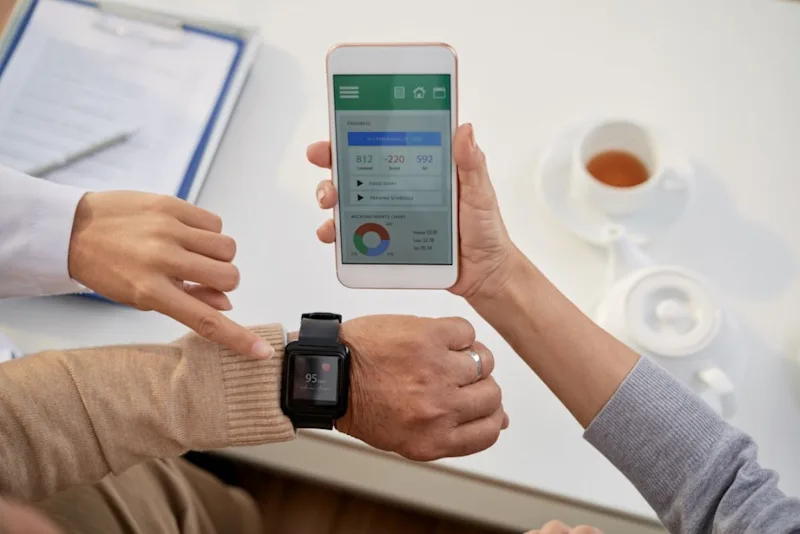
As healthcare continues to shift toward a value-based, tech-enabled care, the CMS is proposing important updates to how remote monitoring services are coded and reimbursed. These changes reflect the growing role of remote physiologic monitoring and remote therapeutic monitoring in managing patients’ health outside of the clinic.
Remote Physiologic Monitoring
Remote physiologic monitoring is used to track metrics like weight, blood pressure, and oxygen saturation. The key updates include:
New CPT codes
Shorter monitoring periods - 2-15 days, as opposed to the current 16 readings per month
Lower levels of patient interaction - under 20 minutes per month, as opposed to the current 20 minutes per month
Clarified definitions are being added to existing codes to specify the minimum number of days during which data must be collected during a 30-day period.
Some of the updated RPM codes didn’t meet the survey standards required by the RUC and will be resurveyed annually.
Remote Therapeutic Monitoring
Remote therapeutic monitoring helps track adherence to at-home treatment plans. RTM covers areas such as respiratory care, musculoskeletal conditions, and cognitive behavioral therapy. The key updates include:
Four new CPT codes for RTM services delivered over less than 16 days and/or limited clinician interaction.
Edits to existing codes to clarify the minimum monitoring days required (CPT 98976-98978).
All RTM codes are being labeled as “new technology” and will be placed on a review schedule for April 2030, once 3 years of data are available.
Final Thoughts
CMS’s proposed changes for CY 2026 reflect a bold and necessary shift toward a more modern, efficient, and patient-centered Medicare system. By addressing outdated payment models, curbing excessive spending, and embracing technology-driven solutions like RPM and telehealth, CMS is laying the groundwork for a healthcare future that is both sustainable and equitable.