Managing Gestational Diabetes: How Remote Monitoring is Transforming Pregnancy Care
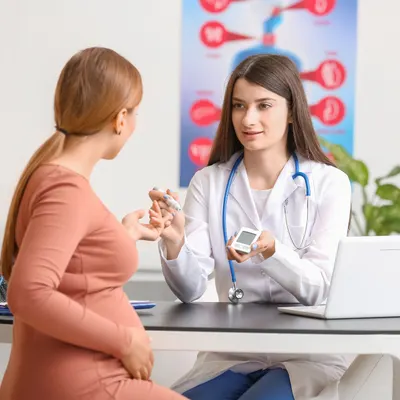
Pregnancy is a time of tremendous change, both emotionally and physically. As a woman's body nurtures new life, it undergoes numerous adjustments to support the developing baby. One important aspect of prenatal health that deserves special attention is gestational diabetes mellitus (GDM, a condition that affects about 6–9% of pregnant women in the United States, according to the CDC.
Today, innovative tools like remote patient monitoring (RPM) and continuous glucose monitoring (CGM) are helping expecting mothers manage gestational diabetes more effectively than ever before, offering better outcomes for both mother and baby.
What is Gestational Diabetes?
Gestational diabetes is a type of diabetes diagnosed for the first time during pregnancy. It occurs when hormonal changes make it difficult for the body to use insulin effectively, leading to elevated blood sugar levels. Unlike other forms of diabetes, GDM typically resolves after childbirth, but without proper management, it can cause significant complications.
Why Managing Gestational Diabetes Matters
Uncontrolled gestational diabetes can lead to:
For the baby:
High birth weight (macrosomia), premature birth, low blood sugar after birth, respiratory problems, and long-term risk of obesity and type 2 diabetes.
For the mother: Preeclampsia, cesarean delivery, and a higher lifetime risk of type 2 diabetes.
Because of these risks, early detection, close monitoring, and proactive management are critical.
The New Era of Care: Remote Patient Monitoring (RPM)
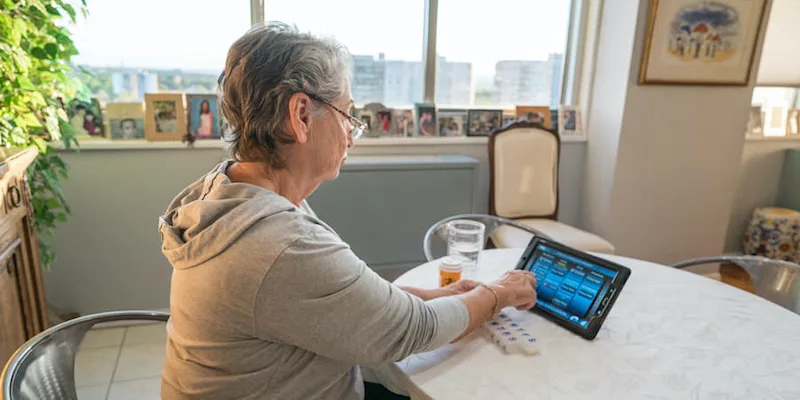
Traditionally, managing gestational diabetes relied heavily on periodic office visits, manual blood sugar logging, and reactive interventions. However, remote patient monitoring has changed that model by providing real-time, continuous oversight without requiring frequent in-person visits.
RPM for gestational diabetes typically involves:
Glucose Monitoring Devices: Patients use connected glucometers or continuous glucose monitors (CGMs) to track their blood sugar levels throughout the day.
Data Transmission: Readings are automatically sent to a secure platform that healthcare providers monitor.
Timely Intervention:Providers can quickly spot concerning trends and adjust care plans before problems escalate.
Patient Empowerment:
Expectant mothers have better visibility into their blood sugar and how it can be affected in their everyday lives, empowering them to make healthier decisions.
This approach not only reduces the burden of travel and appointments but also creates a stronger partnership between women and their healthcare teams.
The Role of Continuous Glucose Monitoring (CGM)
While traditional fingerstick glucose testing remains common, CGMs are gaining popularity for managing gestational diabetes, especially when blood sugar control is challenging.
CGMs involve wearing a small sensor under the skin that automatically measures glucose levels every few minutes. Benefits include:
Real-time feedback: Women can see immediate changes after eating, exercising, or resting.
Fewer fingersticks: Many CGMs reduce the need for multiple daily finger pricks.
Improved glucose control: Studies show CGM use in pregnancy leads to better blood sugar management and fewer neonatal complications.
Integrating CGM data with RPM platforms means healthcare providers can act faster, giving expecting mothers personalized guidance tailored to their unique needs in real time.
Building a Healthier Pregnancy with RPM and CGM
Managing gestational diabetes through RPM and CGM offers:
Better glycemic control: Tighter management reduces the risk of complications.
Improved patient engagement: Frequent feedback keeps women motivated and informed.
Reduced healthcare costs: RPM helps prevent costly emergency interventions by catching things early.
More convenience: Remote monitoring eliminates many unnecessary office visits, which are critical for busy moms-to-be who must balance work, family, and self-care.
Life After Delivery
After childbirth, most women's blood sugar levels return to normal, but up to 50% will develop type 2 diabetes later in life. Continued monitoring and preventive care, sometimes supported by RPM programs, can help lower these risks. Breastfeeding, healthy eating, regular exercise, and ongoing follow-up care are vital parts of the postpartum journey.
Empowerment Through Innovation
Gestational diabetes can be a challenging and difficult diagnosis, but with the power of remote patient monitoring and advanced glucose technology, women today have more tools than ever to stay healthy and protect their babies. Modern care is about meeting women where they are and helping them achieve the healthiest pregnancy possible.