
Digital Health Programs
Guides, news, and lessons from running remote care programs: devices, logistics, software, and the operations in between.
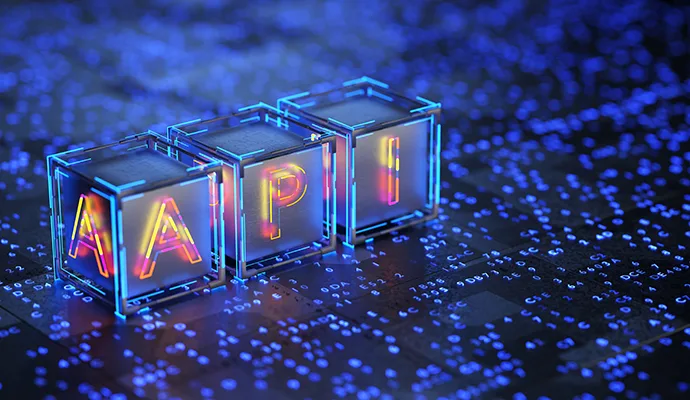
API-first EHRs vs. Traditional EHRs: How to Simplify EHR Integration
In recent years Remote Patient Monitoring (RPM) has emerged as a vital component for delivering quality care outside traditional healthcare settings. Traditionally, RPM programs utilize devices that face significant difficulty in connecting to many traditional EHRs. A solution to integrate data into a providers current systems can be partnering with an organization like Impilo. Impilo's API infrastructure is designed to facilitate seamless integration, providing digital health companies with the tools and resources needed to connect their systems with ease.
May 22, 2024
What is Hospital At Home?
Hospital-At-Home (HaH) model, can reduce expenses and allow patients with specific treatment plans to find comfort in their medical journeys. Solutions like medical device logistics and medical device kitting can assist in bringing healthcare into the home. Impilo solutions support remote patient monitoring providing support to hospital-at-home programs.
May 20, 2024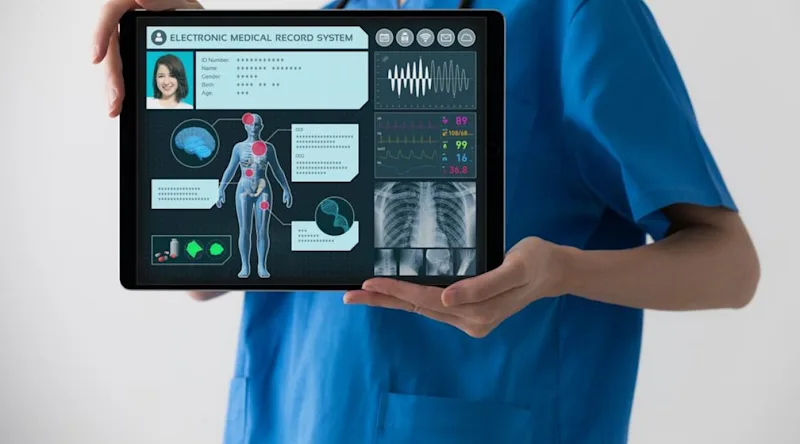
Navigating EHRs: Understanding The Importance of Interoperability and Connectivity
In the changing landscape of healthcare technology, Electronic Health Records (EHRs) serve as essential tools for providers, much like Excel is for data analysts, enabling providers to streamline patient care and improve healthcare outcomes. EHRs allow providers to review their patients' medical history in a convenient manner. Providers may have questions when it comes to EHRs such as inoperability, what is the difference between and EMR and EH, and how EHRs play a role in digital health programs.
May 14, 2024
Exploring the Latest Trends in Remote Patient Monitoring
Remote patient monitoring (RPM) is transforming healthcare by enabling providers to monitor patients remotely, improving access to care, and reducing healthcare costs. For healthcare providers looking to enhance their services, leveraging advanced RPM solutions can streamline operations and improve patient outcomes, offering valuable support in delivering high-quality care. These programs offer timely interventions and personalized treatment plans through wearable devices and mobile apps. Let's explore some of the most recent remote patient monitoring trends:
May 10, 2024
Patient Activation and Engagement: The Pillars of Virtual Care
In recent years, virtual care programs have challenged traditional healthcare delivery, offering patients greater convenience and access to care while enabling healthcare providers to monitor and manage chronic conditions more effectively. At the core of these programs lie two critical components: patient activation and engagement. Together, they form a duo that plays a significant role in the success and effectiveness of virtual care programs. In this article, we explore the intricacies of patient activation and engagement, exploring their significance, challenges, and the synergies they create in driving positive health outcomes.
April 17, 2024
Closing The Gap: How RPM Improves Access to Care for Rural Health Clinics
One in 5 Americans live in rural areas. 20% of our population resides in areas where distances stretch and communities are scattered, causing access to healthcare in rural areas to be an ongoing challenge.
April 9, 2024
A Deep Dive into Biobeat's RPM Solutions
In the world of remote patient monitoring (RPM) for cardiovascular health, Biobeat has emerged as a innovative player in virtual care. With their FDA-cleared vital sign measurement devices, including a chest patch and watch, Biobeat is simplifying patient monitoring while enabling timely interventions.
February 27, 2024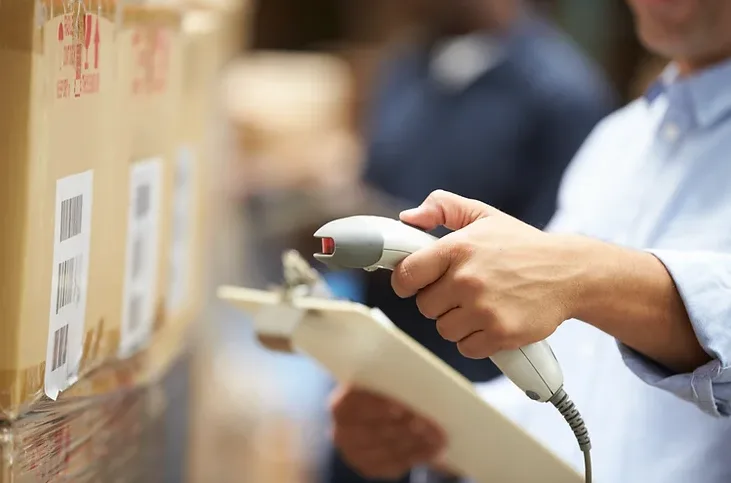
3PL Logistics for Virtual Care and RPM Programs
Virtual Care and Remote Patient Monitoring (RPM) have become integral components of patient-centered care. These innovative approaches rely heavily on seamless logistics to ensure the timely delivery of medical supplies and devices to patients' homes. Third-Party Logistics (3PL) solutions, such as those offered by Impilo, play a crucial role in supporting these programs by optimizing supply chain processes and enhancing efficiency.
February 22, 2024
Data Driven Heart Health-Leveraging RPM For Better Outcomes
In today's digital age, harnessing the power of data and technology has revolutionized various aspects of healthcare, including heart health management. Remote Patient Monitoring (RPM) is one such innovation that has transformed the way we monitor and manage cardiovascular health. RPM can significantly improve heart health outcomes, when utilizing it effectively. Today, we'll go into the fundamentals of heart monitoring devices and how they contribute to proactive heart health management.
February 14, 2024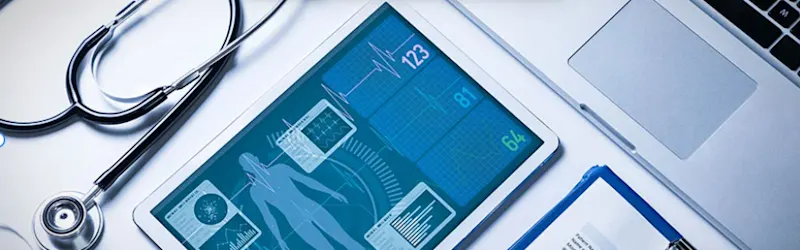
2025 Remote Patient Monitoring CPT Codes: Key Insights for Successful Reimbursements
Curious on 2025 remote patient monitoring CPT billing guidelines? Boost your reimbursement for remote patient monitoring (RPM) and enhance the quality of care by using specific billing codes. These codes allow you to bill for various RPM services, from setting up patients with at-home devices to monitoring clinical data.
February 5, 2024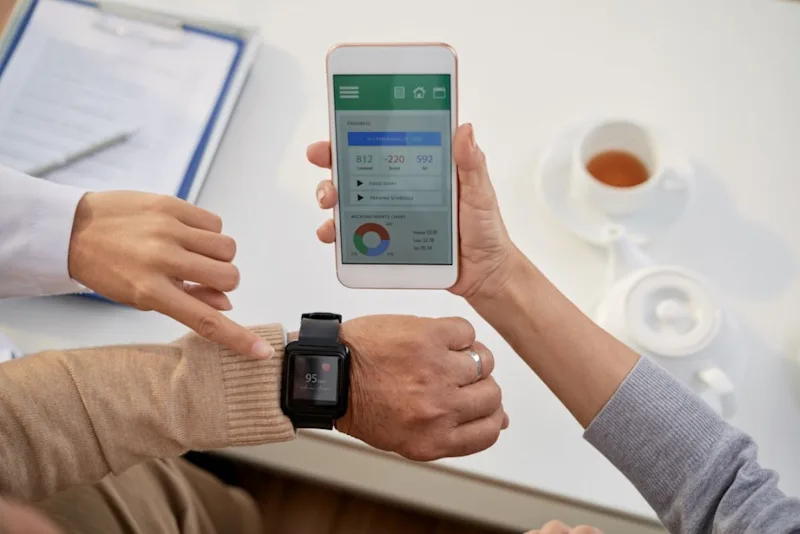
Basics of Starting Your Own RPM Program
We are excited to announce the success of our first webinar in the Impilo Webinar Series, "Basics of Starting Your Own RPM Program". This session provided a how-to-guide for digital and virtual care companies looking to establish Remote Patient Monitoring (RPM) in their healthcare organizations.
February 5, 2024
Incorporating Continuous Glucose Monitoring into RPM Programs
Incorporating continuous glucose monitoring (CGM) into a remote patient monitoring program significantly enhances the care and management of individuals with diabetes. CGM technology revolutionizes diabetes management by providing continuous, real-time data on glucose levels, facilitating more informed decision-making for both patients and healthcare providers.
January 19, 2024